




Reporting and Handling Accident Claims
“I was just in an accident. What do I do?” Have you reinforced your procedures for handling a fleet driver in a damaged vehicle lately?
According to the latest available figures, a motor vehicle crash occurs on U.S. roadways once every five seconds. National Safety Council (NSC) statistics report that some 20 million drivers — nearly 10 percent of all U.S. drivers — were involved in an auto accident in 2006, the latest figures available.
In the face of such numbers, even the most careful driver can suddenly encounter bad luck on the road. What should drivers do when involved in a crash? How should you handle the incident when the call comes in?
The following checklists will help you and your drivers get through the immediate aftermath of a crash while helping expedite the claims-adjusting process.
Establish and enforce a crash reporting and investigation process. Company policy should clearly guide drivers through their responsibilities after a crash. All crashes should be reviewed to determine the cause and preventability and what can be done to avoid similar crashes in the future.
Make sure fleet drivers have the tools to properly deal with a crash. Place in the vehicle glove compartment copies of such important documents as:
• Insurance company ID card.
• Valid vehicle registration.
• Medical alerts detailing personal allergy or health conditions that may require special attention if the driver is seriously injured.
Keep an emergency kit in your vehicle. This kit should include:
• Road flares or warning triangles.
• Brightly colored cloth to tie to the driver-side door.
• Disposable camera.
• Flashlight with fully charged batteries.
• First-aid kit.
• Basic tool kit.
• Duct tape.
• Pad of paper and pen.
• Accident report form.
"It’s all the more important customers get this information in minor accidents that tend not to be reported," says Bill White, vice president of the transportation division at Cambridge Integrated Services, a management firm headquartered in Connecticut. "This may be the only chance to get information about facts of loss or parties involved, especially if they didn’t call the police."
After experiencing a crash, drivers should follow these procedures:
1. STOP! When involved in a crash, however slight, do not leave the scene until speaking with the other driver, the police, or both.
2. Stay Calm. Remain as calm as possible and avoid any inclination to react in anger, particularly when encountering another driver behaving irrationally.
3. Keep Safety First. When involved in a minor accident with no serious injuries, move the vehicles and occupants safely to the side of the road, out of the way of traffic. If a vehicle cannot be moved and no injuries have occurred, drivers and passengers should remain in the vehicle with seatbelts fastened until help arrives. Turn on hazard lights, and if safe to do so, place cones, flares, or warning triangles to alert ongoing traffic.
4. Call for Medical Assistance. Call for emergency medical help if anyone involved in the crash is bleeding, feels lightheaded, or is suffering any physical injury. Always err on the side of caution and call for help. Unless someone at the scene is specifically trained in emergency medical procedures, wait until help arrives before attempting to move a person or perform emergency aid.
5. Contact the Police. Calling the police from the crash site is the best action. If the driver cannot contact local law enforcement, he or she should instruct someone else to do so. Police officers can address traffic infractions and take notes for the incident record.
6. Do Not Admit Fault. Do not discuss specific details of the accident with anyone except the police. Be polite, but don’t admit fault to the other driver or the police, even if your actions led to the crash.
7. Contact Your Employer. Call the company fleet manager, or, if applicable, the insurance company as soon as possible. If your company’s fleet policy mandates, file a state vehicle accident report. A police report often helps insurance companies speed up the claims process.
Carry a disposable camera in the car to photograph damage to all vehicles involved. Include photos that reveal the overall context of the crash — road conditions, intersection site, traffic signs, or lights, etc. Record in writing all pertinent information concerning the incident, including:
• When and where – date, time and exact location of the accident.
• Others involved – contact information for all third-party drivers (including insurance policy numbers) and pedestrians; description of vehicle(s) involved, how the accident occurred, and description of damages to vehicles.
• Conditions – weather and street conditions, conditions as vehicles were in motion.
• Injuries – list of persons injured, contact information, and hospi- tal details.
• Police investigation – if the police were notified, the police depart- ment contact information and any arrests or citations.
• Witnesses – contact info of all witnesses.
• Diagram of scene – sketch a rough outline of the accident scene. This information is generally found on an accident report form.
Quickly submitting the accident form and any police reports or information over to your insurance provider or adjuster should be a top priority. Quick communication allows adjusters to start investigating what happened while facts are fresh in the minds of everyone involved.
In addition, the adjusters are responsible for reassuring all parties involved that the claim will be handled swiftly and fairly, so it’s best they get in touch with them as quickly as possible.
Depending on the severity of the accident, the damaged vehicle may be a part of an investigation, which will affect when the vehicle can be repaired and returned to the driver.
When turning in a claim, you’ll need to provide a copy of the accident report form, a police report if applicable, and proof of damage losses. Keep track of reimbursable costs such as tow bills and storage fees.
Following these procedures will help get your fleet vehicle back on the road quicker. "Even with a bad accident, if everything is filled out correctly, you’d be surprised at how smoothly, fairly, and quickly the adjusting process can go," says White.
More Safety

Nominations Open for 2026 Fleet Safety Award
Nominations have officially opened for the 2026 Fleet Safety Award Winner.
Read More →
Turning Connected Vehicle Data Into Decisions That Matter
Fleet leaders have more data than ever, but turning that data into clear, actionable decisions remains a challenge. This white paper shows how leading organizations are using connected vehicle data to improve safety, reduce costs, and optimize fleet performance. Learn how to turn insight into action across your fleet.
Read More →
Cameras, Safety and Insurance: From Reactive Claims to Real-time Prevention
Commercial auto remains one of the most challenging and costly lines of coverage for fleet operators and insurers alike. Learn more about how to effectively address these issues from Onur Aksan, Enterprise Business Development Executive, Geotab.
Read More →

NAFA Fleet Safety Symposium to Collocate With 2026 Fleet Forward Conference
The daylong certificate program will precede the Fleet Forward Conference at the Gaylord National Harbor in Maryland.
Read More →
The Distractions You Can’t Turn Off: What Drivers Face Outside the Vehicle
Fleet drivers face constant visual, cognitive, and environmental interruptions the moment they hit the road. From roadside chaos to mental fatigue and digital overload, today’s biggest driving risks often come from outside the vehicle itself.
Read More →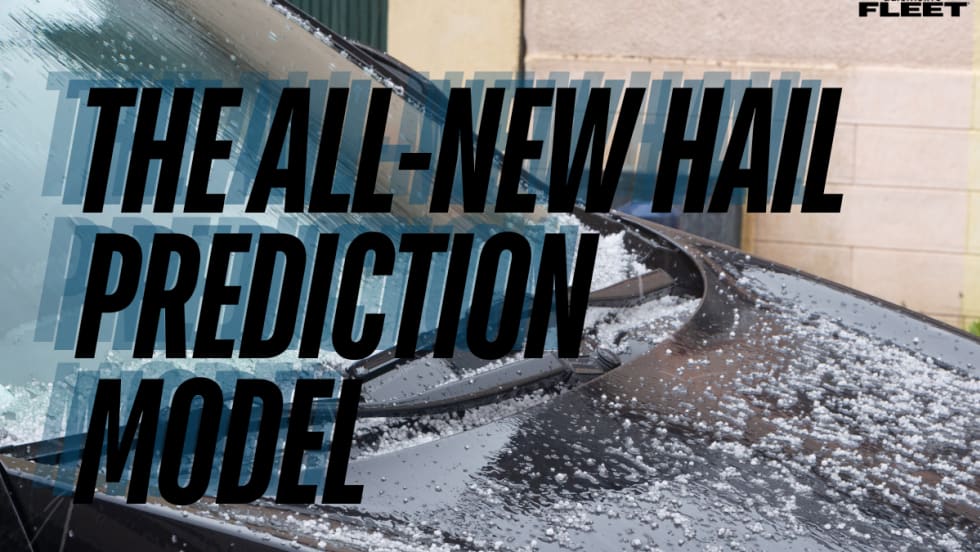
FLASH Weather AI Launches First Deep-Learning Hail Prediction Model With High-Resolution Forecasting
FLASH Weather AI has launched a first-of-its-kind hail prediction model capable of forecasting hail size and arrival time at 1-kilometer resolution up to 55 minutes ahead, giving fleets and insurers critical time to prepare for severe storms.
Read More →
How Coca-Cola United Protects Its Fleet from Growing Legal Risk
As litigation risk rises, vehicles are increasingly targeted. This Coca-Cola bottler shares how it’s reducing exposure through driver training, technology, and a proactive risk management approach.
Read More →
How to Speak the Same Language on Fleet Safety
Drivers, supervisors, and data often speak different safety “languages.” Getting on the same page will drive better results.
Read More →
Fleet Cybersecurity 101: What You Need from Your Technology Vendors
From identity management to third-party certifications, the right technology partner should make security easier to manage. Here are the three building blocks that fleet managers need to stay in control as connected systems scale.
Read More →
Reducing Risk by Eliminating Phone Use Behind the Wheel
Distracted driving remains one of the most persistent risks in fleet operations. New approaches focus on removing mobile device use entirely while adding real-time safety support.
Read More →