




16 Tips to Maximize Residual Value
Follow these common sense strategies before the acquisition decision, during ownership and prior to resale to help you hold the line on residual values.
by David Wurster and Chris Brown
November 1, 2007
Maximizing your truck's residual value will directly impact your company's financials.
Photo: Work Truck | Automotive Fleet
4 min to read
Does your company sell a product or service? If so, you're constantly looking to protect and augment the value of your offering.
Fleet vehicles are depreciating assets, so it's nearly impossible to "add value" to them — they will always be worth less after you acquired them. But you should maintain the same mindset with fleet that you have with your company's products.
Because depreciation controls the greatest percentage of fleet expense, protecting your vehicles' resale value should be a substantial part of your fleet management strategy.
With the help of the lifecycle cost experts at Vincentric we put together some common sense tips to help you optimize residual value before the acquisition decision, during ownership and prior to resale.
Factory Order and Don't Over Spec
When ordering new fleet vehicles, focus on practicality and long-term value. Spec only what’s necessary for the job, prioritize high-resale options, and take advantage of factory ordering to secure the best pricing and incentives.
Select the right vehicle, configured in the most utilitarian manner that is best suited for the job. Make sure that powertrain options are sufficient for the job, but no more.
Choose vehicles that are popular in the consumer market and ones in which production doesn't exceed demand, which can lead to large sales to rental car customers. Manufacturers use rental fleets to dump excess units at or near the end of their model lives. Those models traditionally take a hit in residual value.
Use guidebooks (see box) to determine which vehicles within your specifications project the best residual value. Remember, vehicles with high fleet or consumer rebates may have a detrimental effect on residual values at end of term, thus negating the upfront discount.
For operators with a fleet card, order new vehicles directly from the factory to take advantage of fleet-specific rebates and early production discounts. Factory ordering, as opposed to buying or leasing off a dealer's lot, will allow you to acquire vehicles with only the options you need at invoice prices.
Choose options that have the most demand at resale such as air conditioning, power windows, and automatic transmissions. Adding upgraded sound systems or interior trim is okay with highline models, but is a waste of money on compact cars. Navigation systems, though a useful business tool, are notorious for not retaining their value at resale. Some wholesalers will add aftermarket items such as sunroofs to improve value in the auction lane. However, the small fleet operator shouldn't be concerned with trying to figure out which aftermarket products are the best investments.
Select colors that are popular with consumers, such as silver, white or black. Be conservative, you don't want to put off future buyers with anything odd. Don't select unusual colors such as purple.
Maintain Vehicle Condition
Vehicle history and mechanical condition are extremely important at resale.
Carefully maintain the vehicle under a detailed preventive maintenance program. Fleet managers should inspect every vehicle regularly during its service life.
Have drivers submit vehicle condition reports on a quarterly or yearly basis.
Smart reconditioning can add value to a fleet vehicle ready for resale. There is an industry adage that $1 spent on reconditioning will return $1.50 upon resale. Generally, the return on investment diminishes as the value of the unit decreases. Highline cars, or vehicles that are "special" in some way lower mileage, greater equipment level or an unusual model have a greater opportunity for cost-effective reconditioning. A general wash and vacuum is essential, while a more thorough detail is recommended for units with higher mileage.
Avoid major collision repair, though paintless dent repair is generally cost effective.
Replace tires with less than 50% tread life. Many auctions provide reconditioning services to fleet operators regardless of whether the vehicle will be sold at auction.
Broaden Your Sales Channels
Consider other options for selling the vehicle in addition to wholesale auction markets.
If leasing, be sure that drivers understand they can purchase the vehicle when the lease expires. This is the most efficient way to maximize value at the end of a lease. Some leasing companies offer online "upstream" remarketing programs which help companies to sell vehicles before they come out of fleet and to a wider audience.
When the driver won't purchase the vehicle, consider using alternative markets such as eBay.
For vehicles in rough condition consider using brokers, who will have a broader variety of sales outlets to unload the vehicle.
Sell at the Right Time
Timing matters when selling fleet vehicles. Spring and fall generally offer strong markets, but regional and seasonal demand play a big role. Consider factors like weather and vehicle type to maximize resale value.
In a global sense, the fall and spring are good times to sell vehicles. Traditionally, new models are launched in the fall. At this time the used-vehicle market is relatively strong, coming out of the slow summer season and prior to the even-slower winter market. Spring sales (March to May) take advantage of a strong market as well, as the retail market gears up for the spring and summer driving seasons.
However, market timing is actually more complex and specific to the type of vehicle and region of the country. For instance, 4x4's will be more valuable in the cold climate states in the late fall and winter. Selling those vehicles there and then would be smart, while selling convertibles is not.
Subscribe to Our Newsletter
More Remarketing
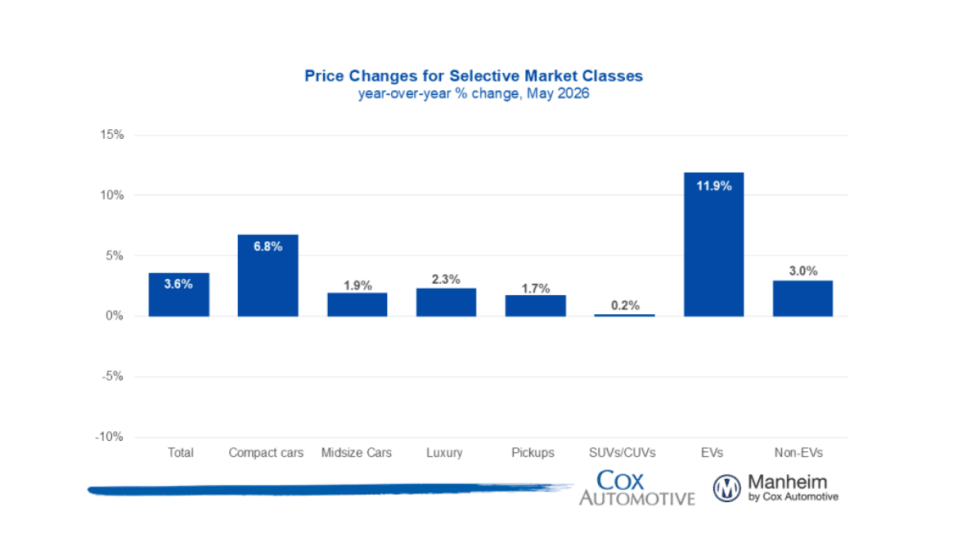
Wholesale Used Vehicle Market Sustains Moderate Rise In Values, Prices
Trends continue to normalize after a strong start to the year, as consumers contend with higher gas prices in the coming summer months.
Read More →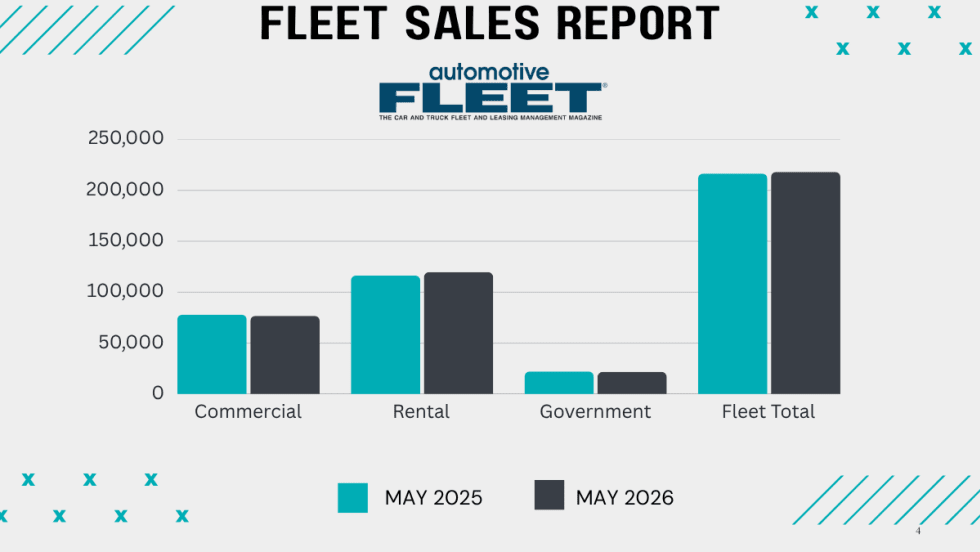
Commercial Fleet Sales Still Lead Sectors Despite May Mini Dip
The U.S. economy's continued growth and positive business investment are creating a favorable environment for fleet vehicle demand.
Read More →
How Connected Vehicle Data Is Lifting Fleet Resale Values
A vehicle health score could improve the value of fleet vehicles at remarketing. The path to a universal standard is forming, and fleets that understand the process early will be better positioned when it arrives.
Read More →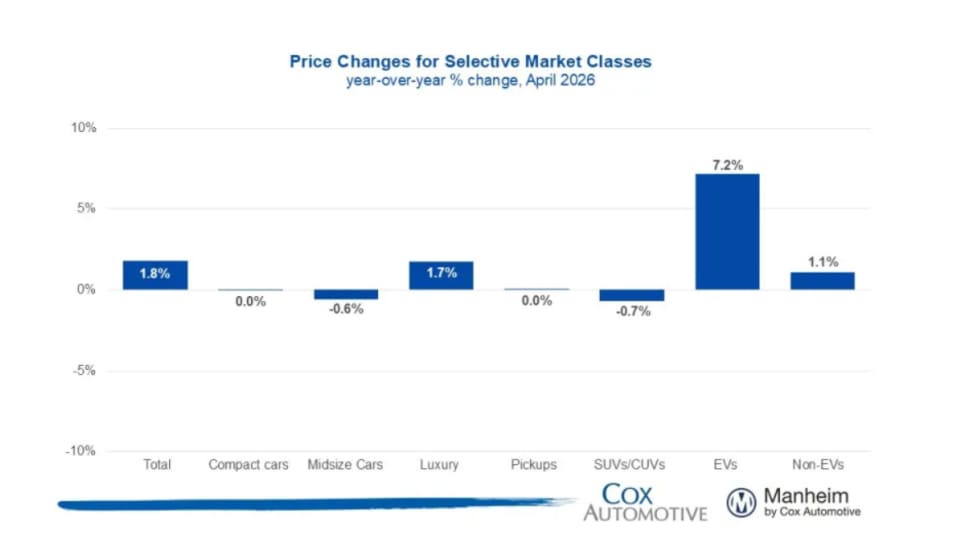
Wholesale Used Vehicle Prices Slightly Up In April
The Iranian conflict and rising gas prices inject much uncertainty into the future wholesale used vehicle markets, as higher gas prices soak up spendable income from vehicle buyers.
Read More →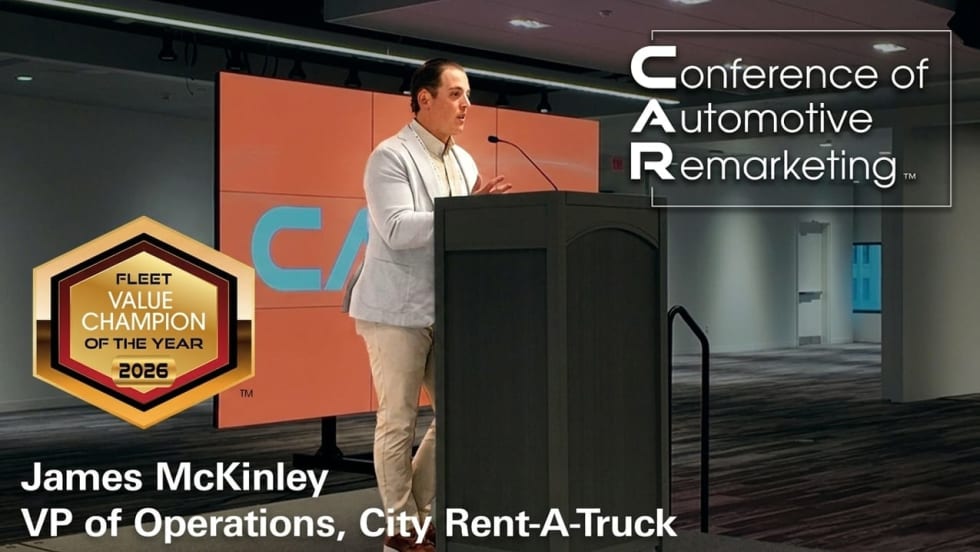
CAR2026: James McKinley Wins Value Champion of the Year
James McKinley of City Rent a Truck was named the inaugural Fleet Value Champion at the CAR Conference for his data-driven approach to fleet lifecycle management and vehicle remarketing.
Read More →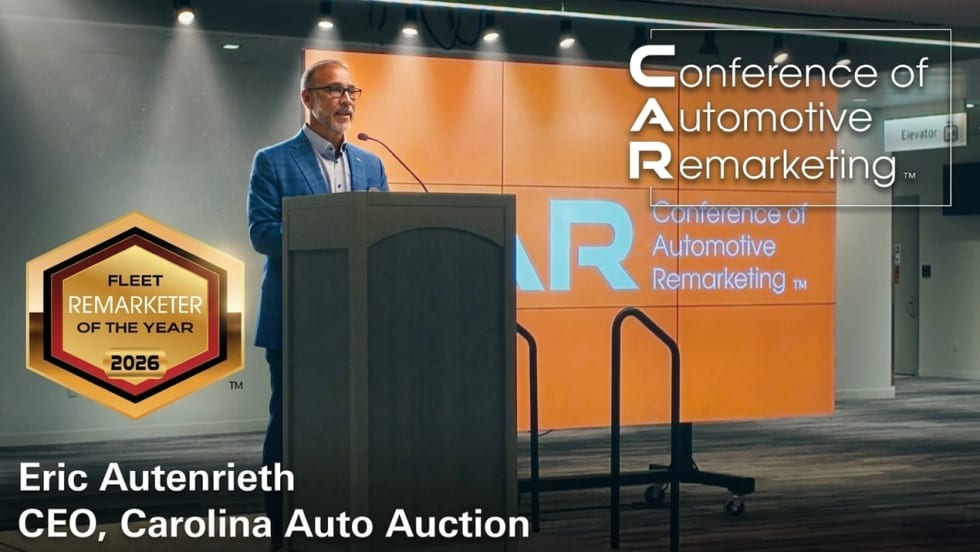
CAR2026: Eric Autenrieth Wins Remarketer of the Year
Eric Autenrieth was recognized at this year's CAR Conference as the Remarketer of the Year.
Read More →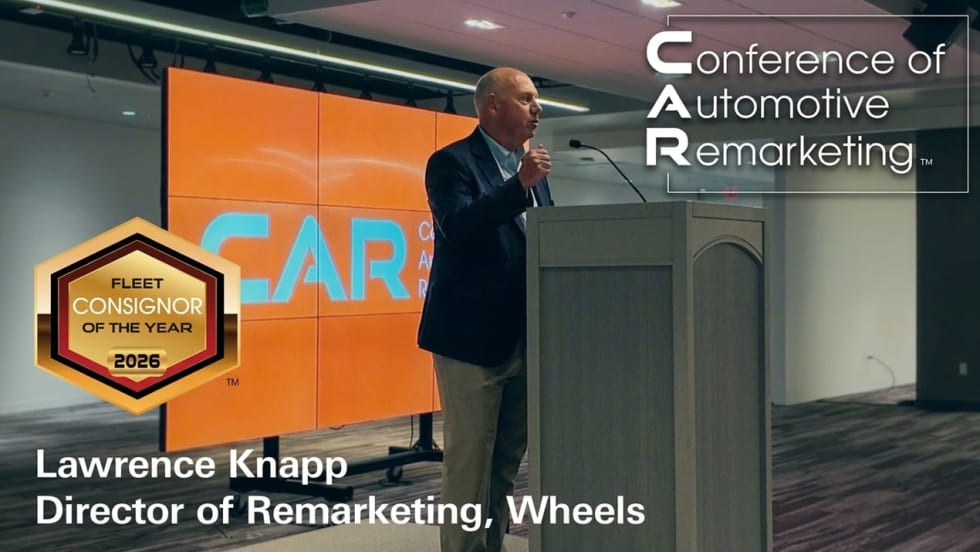
CAR2026: Lawrence Knapp Wins Consignor of the Year
Lawrence Knapp won the Cosigner of the Year award at this year's CAR Conference.
Read More →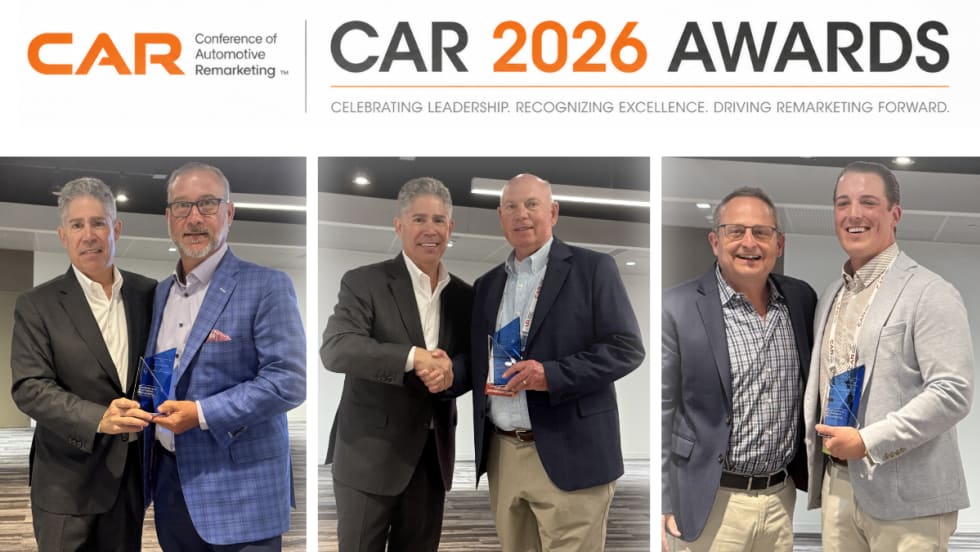
2026 CAR Awards Celebrate Industry Excellence
CAR’s annual Fleet Remarketing Awards opened a reimagined 2026 conference designed to bridge the worlds of fleet management and automotive remarketing.
Read More →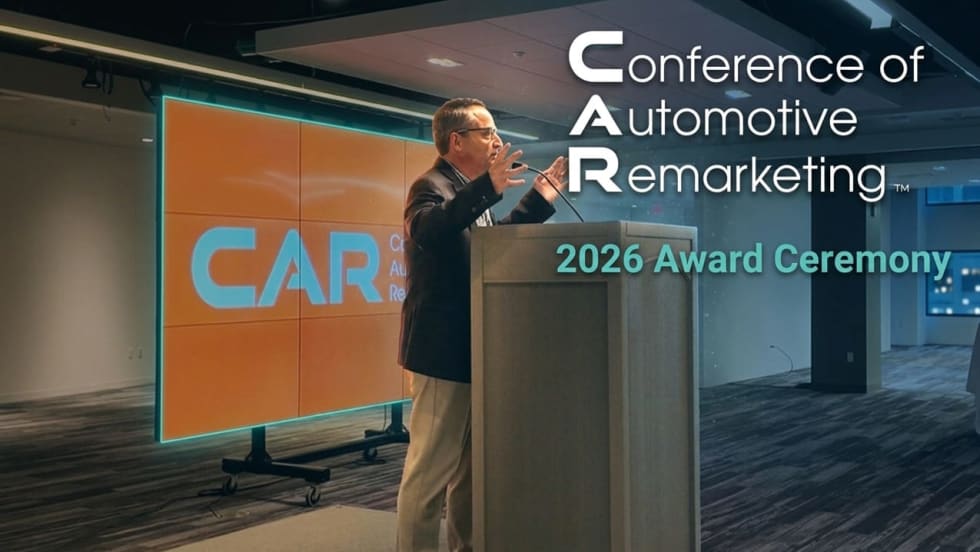
Inside the CAR2026 Awards: Leaders, Legacy & What’s Next
Here's a look inside the awards ceremony at the CAR Conference, where industry leaders reflected on the growth, impact, and future of automotive remarketing.
Read More →
The Predictive Pivot: How AI and Data Are Redefining Auto Logistics in 2026
AI is no longer a luxury but the baseline for profitability in 2026. Auto haulers that adopt these tools now will quickly outpace those using manual workflows and taking a wait-and-see approach.
Read More →