




Upstream Remarketing Optimizes Fleet Assets
Out-of-service vehicles sitting idle cost companies time, money, and space. New upstream remarketing programs can minimize days to sell and generate savings.

On a fleet manager’s “Dos” and “Don’ts” list, “Don’t have idle vehicles ” is near the top of the list. When fleet vehicles aren’t being used, companies are not making the most of their assets — and may be hemorrhaging dollars. When most people think of idle vehicles, they likely imagine a fleet vehicle sitting in the corporate pool area waiting for a driver. That’s not the only time fleet vehicles aren’t being used. Less obvious are vehicles retired from the fleet waiting to be remarketed. Just like idle new vehicles, vehicles no longer in service, but remaining in the pool or a company lot, can cost a business money and space. This doesn’t have to be the case.
Pre-Marketing Maximizes Fleet Assets
With upstream remarketing, any fleet can make the most of aging and
used vehicles right up until their replacements arrive or they are retired. “The main purpose of upstream remarketing is to minimize or eliminate the days to sell a soon-to-be-terminated vehicle,” said Ron Shoemaker, president of Flexco Fleet Services. “Pre-marketing allows companies to use a specific time period between the replacement vehicle order date and new-vehicle delivery. In the case of leased portfolios, pre-selling these assets can occur weeks before the lease terminates. Companies can benefit by minimizing or eliminating their days to sell, thus generating savings in depreciation, interim interest, and other costs.”
Whether reducing days to sell, or increasing the percentage of a portfolio sold before the new vehicle is delivered, businesses can benefit from a pre-marketing plan.
Upstream remarketing also allows companies with depreciating assets to be proactive. Rather than waiting until the last minute to attempt to sell retired vehicles, creating a pre-marketing plan lets fleets start the remarketing process just prior to the vehicle transitioning out of fleet service.
A Solution for Every Fleet
While there are several approaches to upstream remarketing, Shoemaker says, ultimately, the approach depends on individual business needs. “I think the single-most important factor in building a remarketing program is for each individual company to identify what they wish to accomplish by remarketing or pre-marketing their fleet,” he said. “We service some companies that implement a driver/employee sales program and offer tiered pricing. This allows them to offer the driver a lower price as a reward for proper maintenance during the vehicle’s lifecycle. Other companies choose to use a closed competitive bid on our Web site in order to maximize the sale. I don’t believe there is a right or wrong answer, just individual company philosophies.”
Shoemaker said although the best upstream remarketing plan depends on company goals, typically the most effective method is driver sales, electronically posting the vehicle on a secure Web site. Using this method, companies can offer their out-of-service-fleet vehicles to drivers, company employees, or a dealer.
It’s important to customize a solution based on a company’s needs, particularly because those needs vary by industry. Shoemaker offers contrasting examples of a corporate fleet and a bank lease. While a corporate fleet vehicle can be offered upstream shortly after a replacement vehicle is ordered, in a bank lease, the situation may change up to the very day the vehicle is returned. With the option to buy the vehicle until the date of return, the lessee often initially declines the offer, but changes his or her mind, making it difficult to offer that vehicle “upstream.” For fleets offering a driver/employee sale program, Shoemaker said selling to the driver is an excellent option.
“The driver knows the vehicle and hopefully has maintained it with the intent of buying it when it becomes available. This is the most efficient and least costly solution to the company,” he said.
What Fleet Managers Must Know
For fleet managers seeking to create an upstream remarketing plan, Shoemaker offers these tips:
Determine what you want to accomplish. “A company has to set expectations and benchmarks on what success means to them,” Shoemaker said. “If they spend money on each unit in their portfolio and only see a 20-percent increase in sales, they need to evaluate the program for time and money spent versus return on investment.”
Establish a written policy. An upstream remarketing program should be outline in a written policy and monitored with periodic performance evaluations.
Communicate with everyone involved. Talk to potential buyers throughout the entire sale process, not only at the beginning of the program. “Communication and feedback from all parties is a necessity. If a company decides to administer an internal program, I recommend picking associates who understand the goals of the asset owner,” Shoemaker said.
Choose a pre-marketing company that will listen to fleet manager’s needs. Flexco is one company that provides customized upstream remarketing solutions. “We realize that every client requires something different, so we have built our remarketing Web sites with the flexibility to allow the client to make the site their site,” Shoemaker said.
Flexco creates client Web sites that can be accessed via a secure login or an “Extranet,” where registered users can navigate to their own private page through customized links on their company’s Intranet site. The sites, which can be branded or co-branded, support any upstream remarketing method. Online tools help fleet administrators track vehicle sales from initial consignment to sale completion.
Ultimately, Shoemaker says businesses should choose a solution that works specifically for them. “Remarketing, especially ‘upstream remarketing,’ is specific to each portfolio. What works best for one fleet portfolio may not work best for another fleet portfolio,” he said. “Target the market that is best for your portfolio and design a program that addresses that market.”
More Remarketing
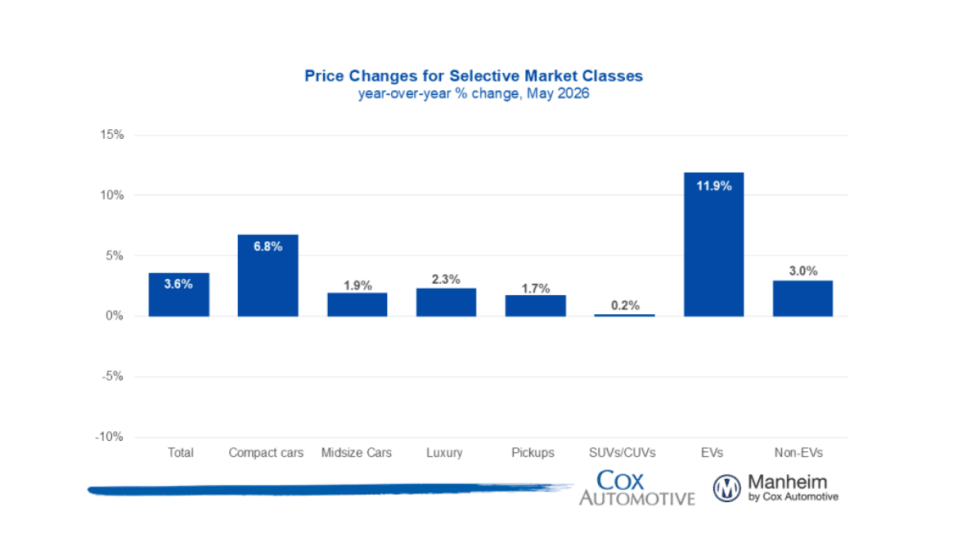
Wholesale Used Vehicle Market Sustains Moderate Rise In Values, Prices
Trends continue to normalize after a strong start to the year, as consumers contend with higher gas prices in the coming summer months.
Read More →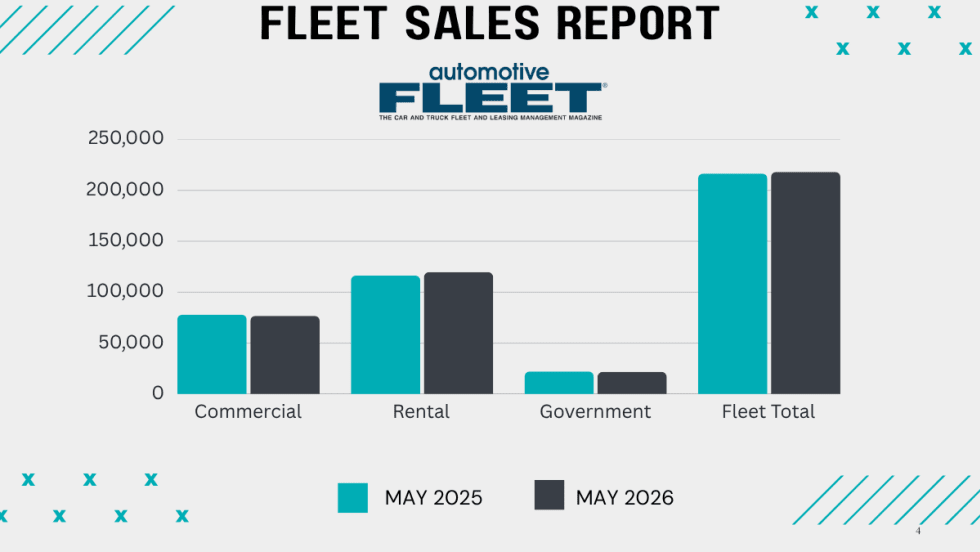
Commercial Fleet Sales Still Lead Sectors Despite May Mini Dip
The U.S. economy's continued growth and positive business investment are creating a favorable environment for fleet vehicle demand.
Read More →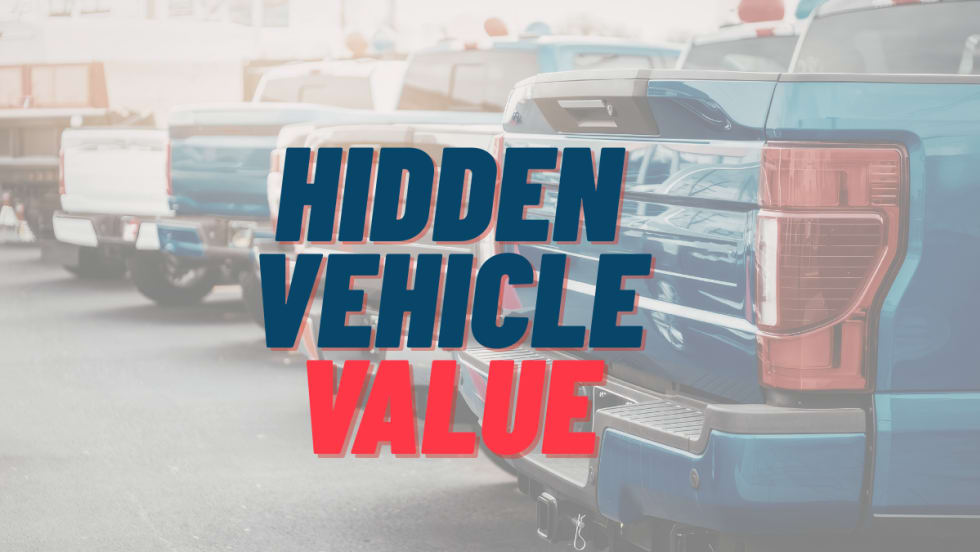
How Connected Vehicle Data Is Lifting Fleet Resale Values
A vehicle health score could improve the value of fleet vehicles at remarketing. The path to a universal standard is forming, and fleets that understand the process early will be better positioned when it arrives.
Read More →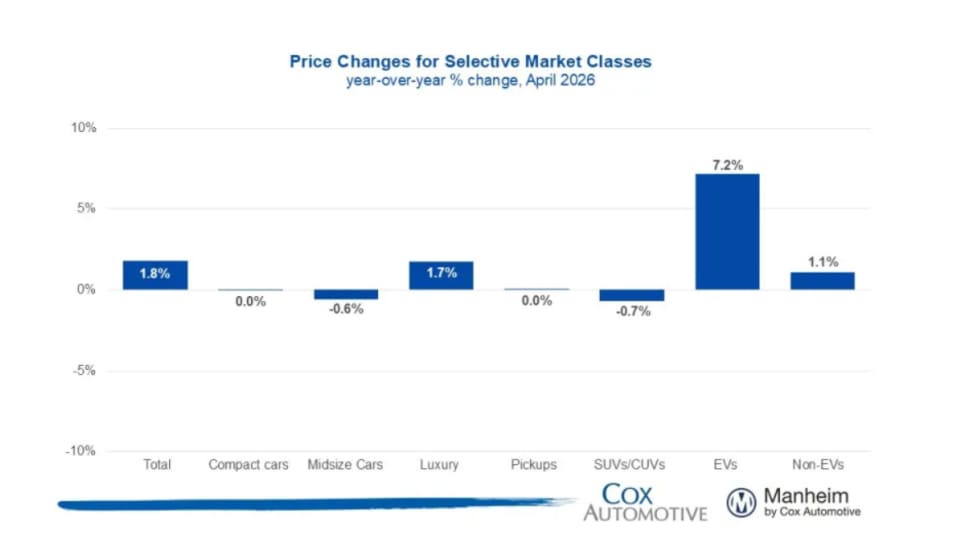
Wholesale Used Vehicle Prices Slightly Up In April
The Iranian conflict and rising gas prices inject much uncertainty into the future wholesale used vehicle markets, as higher gas prices soak up spendable income from vehicle buyers.
Read More →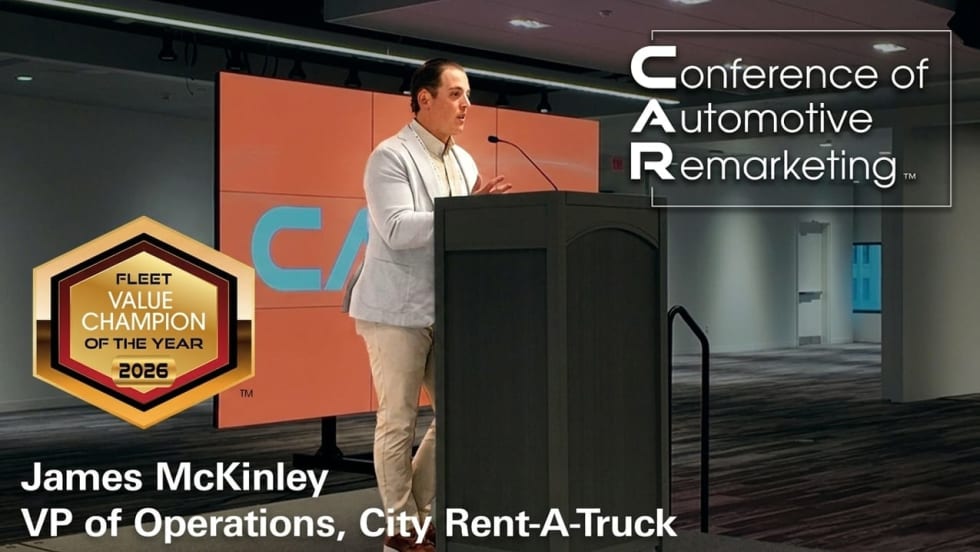
CAR2026: James McKinley Wins Value Champion of the Year
James McKinley of City Rent a Truck was named the inaugural Fleet Value Champion at the CAR Conference for his data-driven approach to fleet lifecycle management and vehicle remarketing.
Read More →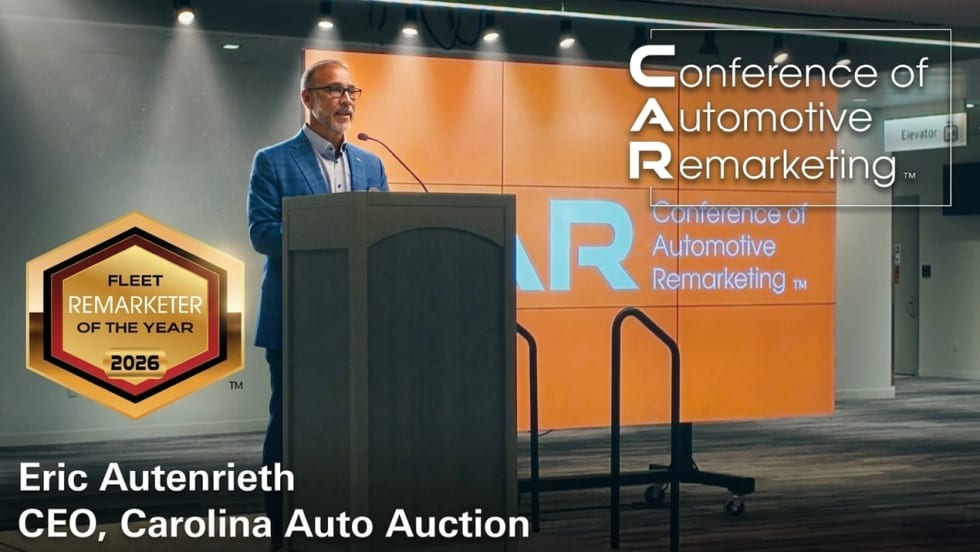
CAR2026: Eric Autenrieth Wins Remarketer of the Year
Eric Autenrieth was recognized at this year's CAR Conference as the Remarketer of the Year.
Read More →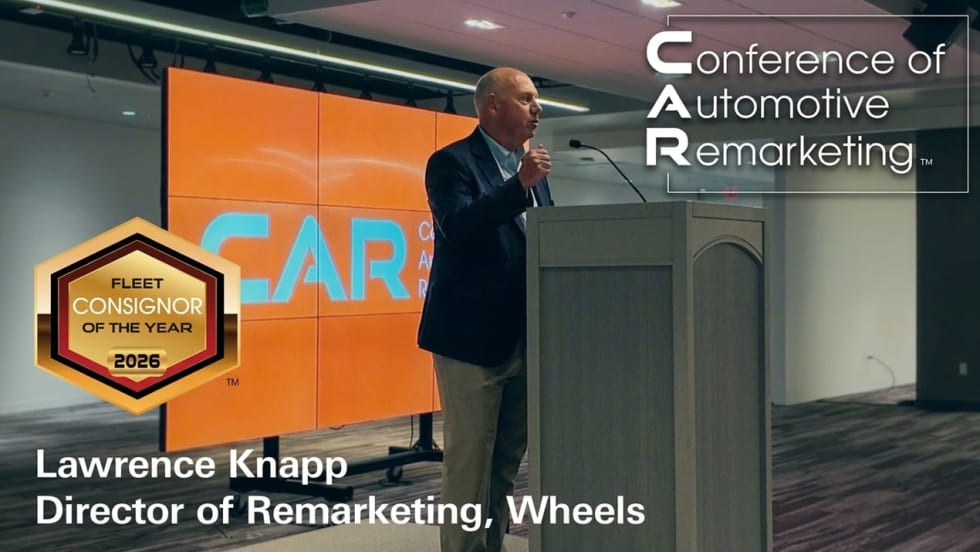
CAR2026: Lawrence Knapp Wins Consignor of the Year
Lawrence Knapp won the Cosigner of the Year award at this year's CAR Conference.
Read More →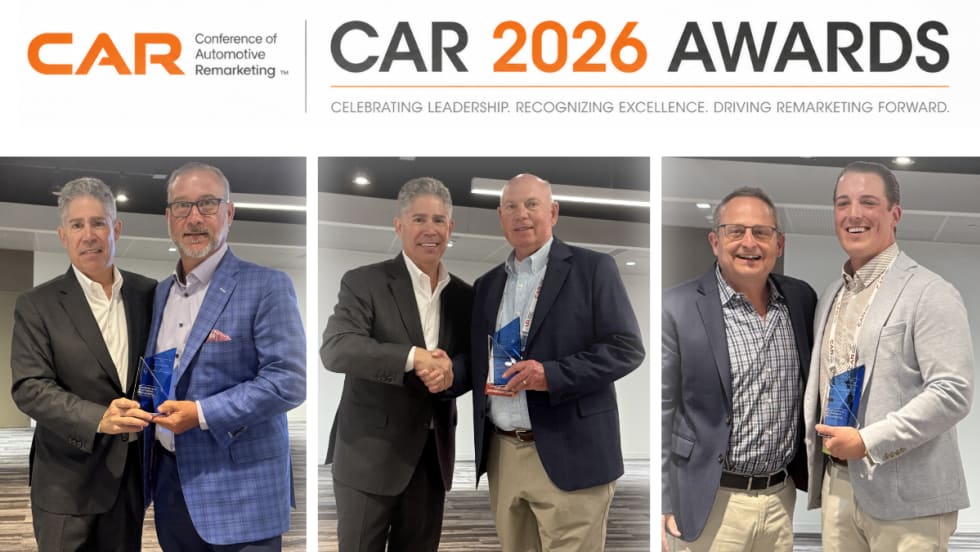
2026 CAR Awards Celebrate Industry Excellence
CAR’s annual Fleet Remarketing Awards opened a reimagined 2026 conference designed to bridge the worlds of fleet management and automotive remarketing.
Read More →
Inside the CAR2026 Awards: Leaders, Legacy & What’s Next
Here's a look inside the awards ceremony at the CAR Conference, where industry leaders reflected on the growth, impact, and future of automotive remarketing.
Read More →
The Predictive Pivot: How AI and Data Are Redefining Auto Logistics in 2026
AI is no longer a luxury but the baseline for profitability in 2026. Auto haulers that adopt these tools now will quickly outpace those using manual workflows and taking a wait-and-see approach.
Read More →