




Campbell County New Fleet Policy in Question
GILLETTE, WY – Following in the footsteps of the City of Gillette and the Campbell County Fire Department, the Campbell County Commission has started a fleet management policy to replace old vehicles.
GILLETTE, WY – Following in the footsteps of the City of Gillette and the Campbell County Fire Department, the Campbell County Commission has started a fleet management policy to replace old vehicles. The biggest advantage of the policy is the formation of a vehicle replacement account that would be funded each year to cover the cost of depreciation on the vehicles, according to Gillette News Record.
Many of the agencies affected by the policy have two issues: Whether the vehicles will be bought locally and who will be able to take vehicles home. Under the new policy, the fleet manager will be responsible for decisions on whether a vehicle needs replaced and where it is bought. The county now allows each individual department to choose how and where to buy each vehicle.
Sheriff Bill Pownall said most sheriff’s vehicles are bought locally, with rare exceptions, and that he would like to keep money in the county.
But local dealers aren’t always the lowest bidder, said Public Works Director Kevin King, who said that his department recently went out to bid on a vehicle and a dealership in Casper came in about $2,000 lower than the local dealers.
Fleet manager Rod Warne added that he follows the county’s fiscal policy when bidding a vehicle, which allows a bid package to anyone who requests it — not just the local businesses.
Commissioner Craig Mader said he would be in favor of staying with local dealers as long as they keep it close to the same price, according to Gillette News Record. Keeping taxpayers’ money in the county also appealed to Commissioner Amir Sancher, but within reason. Sancher suggested allowing five percent preferential treatment for the local dealers, which is similar to what the state offers for contractors in the state.
Mader elaborated that the reason for the change was to control employee abuse of county vehicles. Mader’s example was that he receives calls from constituents complaining about seeing the vehicles at church.
Out of the 198 vehicles owned by the county, 39 are used frequently as take-home vehicles by several departments. The new policy would allow take-home vehicles only for employees who are on-call for an emergency.
However, Airport Manager Jay Lundell and county Facilities Manager Vern Fundenberger felt the policy’s definition of an emergency needed to be clarified in order for many of their employees to be eligible for a take-home vehicle. Both managers see the vehicles as tools to do a job. Fundenberger added that it has been used as a recruitment tool in the past. But supplying a vehicle is not a formal job benefit of the county, said Commissioner Chris Knapp.
Commissioners will discuss these issues again Apr. 15.
More Maintenance

Turning Connected Vehicle Data Into Decisions That Matter
Fleet leaders have more data than ever, but turning that data into clear, actionable decisions remains a challenge. This white paper shows how leading organizations are using connected vehicle data to improve safety, reduce costs, and optimize fleet performance. Learn how to turn insight into action across your fleet.
Read More →
Are You Tracking Your Fleet's True Total Cost of Ownership?
Bobit Business Media surveyed 190 fleet professionals and found that while most fleets are tracking costs, fragmented systems and data gaps are keeping true TCO visibility out of reach. With rising pressure to control spend in an increasingly volatile environment, the gap between what fleets think they know and what the data actually shows is wider than you might expect. See how your peers are managing costs today and where the industry still has room to improve.
Read More →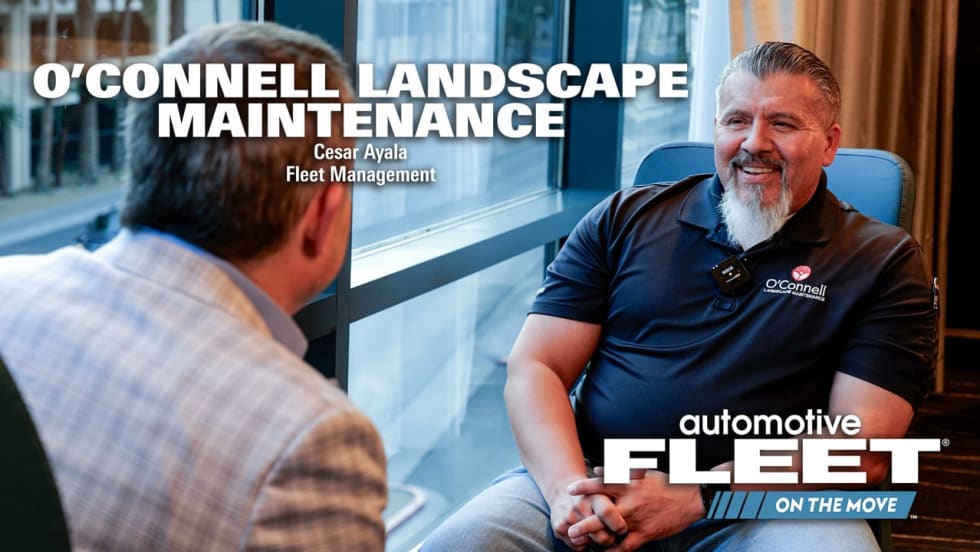
From Marine Corps Motor Pool to Managing 460 Fleet Vehicles
Cesar Ayala of O’Connell Landscape Maintenance shares how he transitioned from the Marine Corps to managing a 460-vehicle fleet—and the real-world challenges of maintenance, compliance, and driver management in California.
Read More →
If Repair Delays Are the New Normal, How Should Fleets Respond?
The repair crisis gets blamed on technician shortages and parts delays. But a big part of the problem is what's happening before the vehicle even reaches the shop, and that's within your control.
Read More →
Safety by Design: Power and Protection in the Freightliner 114SD Plus
Fleet managers are under pressure to reduce accidents, control costs, and improve operational efficiency. See how advanced vehicle safety technologies are helping fleets operate smarter and safer.
Read More →
Bosch to Acquire AI Predictive Maintenance Startup Uptake Technologies
The deal brings Uptake's fleet diagnostics platform into Bosch's ecosystem, combining predictive analytics with Bosch's telematics infrastructure to help fleets reduce downtime and anticipate component failures.
Read More →
It’s here: The 2026 Fleet Technology Trends Report
What does AI mean for fleets? Get the answer — and learn other top tech trends.
Read More →
AI Emerging As Must-Have Fleet Technology
Within the next six to 12 months, artificial intelligence programs designed specifically for smaller operations will become more affordable, intuitive, and integrated.
Read More →
Labor, Parts, and Price: What’s Powering Fleet Maintenance Costs in 2025
Five quarters of data on the six most common maintenance activities reveal how cost composition and labor intensity influence fleet service trends.
Read More →
How Fleet Managers Are Finding New Ways to Control Maintenance Costs & Downtime
By standardizing repair workflows and building trusted vendor networks, fleets are cutting costs and keeping vehicles on the road.
Read More →