




Florida Utility Earns Biodiesel Industry Award
ORLANDO, FL – Florida Power & Light (FPL) took home top honors at the National Biodiesel Conference & Expo, held in Orlando, Fla.
ORLANDO, FL – Florida Power & Light (FPL) took home top honors at the National Biodiesel Conference & Expo, held in Orlando, Fla. FPL earned one of the National Biodiesel Board’s (NBB) annual Eye on Biodiesel Awards.
The utility joined an Ivy League school, a branch of the U.S. military, and other visionaries recognized today for their contributions to biodiesel development, according to NBB officials.
The largest investor-owned electric utility in the state, FPL first began using B-20 (20-percent biodiesel/80-percent diesel) in 1999. Today, the entire FPL diesel fleet of almost 2,500 vehicles runs on about 500,000 gallons of B-20 annually. FPL also fields about a dozen calls a month from others interested in making the switch and educates them about use of the fuel
“We thank the NBB and its members for this recognition,” said George Survant, director of fleet services for FPL. “Today, we are one of the cleanest utilities in the nation. Switching to B-20 has allowed us to lessen harmful emissions plus diminish our dependence on foreign oil. We look forward to continuing our long-standing association with NBB.”
The awards program recognizes individuals and groups who have significantly advanced the board’s mission of public education and industry growth. FPL took home the Initiative award. The other 2008 Eye Award categories and NBB’s description of the winners includes:
Impact – GROWMARK, Inc.
A leading agricultural cooperative, GROWMARK has demonstrated its ongoing commitment to the advancement of the biodiesel industry. The company’s biodiesel sales grew from 10,000 gallons in 2000 to an estimated 22.7 million gallons in 2007. Growmark has offered hundreds of educational seminars and presentations, and developed best practices for handling biodiesel fuel at the distributor and end-user level. GROWMARK has invested substantially in biodiesel infrastructure, including a petroleum refinery, biodiesel manufacturing facility, and pipeline terminal.
Industry Partnership – National Oilheat Research Alliance
A collaborative program established by the oilheating industry in 2001, the National Oilheat Research Alliance (NORA) has been a leading force in Bioheat heating oil education. In 2006, NORA partnered with NBB to trademark the Bioheat fuel logo and streamline the process for becoming a registered Bioheat heating oil user. This effort resulted in a unified product name, leading to both an increase in awareness and in the number of distributors selling the product, and established the framework necessary to ensure a high quality product.
Inspiration – David Harris/Harvard University
Under the leadership of David E. Harris Jr., general manager of transportation services, Harvard University in Cambridge, Mass., made the switch to B-20 five years ago. Harvard now fuels its 68-vehicle fleet with the blend. Several other local fleets have followed Harvard’s lead including the City of Boston; Marblehead Electric Light Company; Cape Cod Regional Transit and Cape Cod National Seashore. Harris meets with potential biodiesel users, represents Harvard at biodiesel events, and is the leading member and Harvard representative on the U.S. Environmental Protection Agency’s Greater Boston Breathes Better (GB3) program.
Influencer – Barry (Tom) Smallwood/U.S. Marine Corps.
Under the leadership of Tom Smallwood, deputy director commercial fleet for the U.S. Marine Corps, biodiesel use has skyrocketed within the Corps since 2001. He met with U.S. Department of Agriculture staff in Beltsville, Md., to learn about their biodiesel use and then developed a strategy for the Marine Corps to achieve the fuel reduction requirement under Executive Order 13149 of 20 percent by 2005. Biodiesel has been the major player in Marine Corps petro-fuel reduction, which reached 28.5 percent in 2006. Smallwood has also led the effort to increase the use of biodiesel at Marine Corps bases throughout the country. Ninety percent of the bases now use B-20.
Innovation – Cummins, Inc.
This company’s extensive multiyear research efforts on engine compatibility with biodiesel blends led it to be one of the first companies to support the use of B-20 biodiesel blends in their diesel engines. The company has worked diligently to fully understand the impact of biodiesel blends on a variety of engine platforms and to develop clear direction for the successful use of the fuel for customers and dealers. Cummins’ pioneering efforts have set a positive example for automakers and other engine manufacturers.
In addition, the NBB presented the Pioneer Award — an annual special honor to an individual or group who has served the industry — to NASA’s John F. Kennedy Space Center (KSC). KSC switched to B-20 in 2003 in its fleet of 144 diesel-powered vehicles. It has since used more than 276,000 gallons of the fuel.
“Each of the 2008 award winners have demonstrated an unwavering commitment to biodiesel and the kind of leadership that has helped our industry achieve record growth over the last several years,” said Joe Jobe, CEO of NBB.
Based in Jefferson City, Mo, NBB is a biodiesel industry national trade association and coordinating body for biodiesel research and development in the U.S. In 2007, the industry produced an estimated 450 million gallons of biodiesel.
More Green Fleet

Turning Connected Vehicle Data Into Decisions That Matter
Fleet leaders have more data than ever, but turning that data into clear, actionable decisions remains a challenge. This white paper shows how leading organizations are using connected vehicle data to improve safety, reduce costs, and optimize fleet performance. Learn how to turn insight into action across your fleet.
Read More →
Are You Tracking Your Fleet's True Total Cost of Ownership?
Bobit Business Media surveyed 190 fleet professionals and found that while most fleets are tracking costs, fragmented systems and data gaps are keeping true TCO visibility out of reach. With rising pressure to control spend in an increasingly volatile environment, the gap between what fleets think they know and what the data actually shows is wider than you might expect. See how your peers are managing costs today and where the industry still has room to improve.
Read More →
Hybrids: Electrification Without the Challenges
For fleet managers, fuel is one of the biggest line items in the budget — and it's one hybrids can shrink without changing how your people work. Download the eBook to see the numbers, understand the technology, and get a step-by-step guide to making the switch.
Read More →
Startup ZMD Motors Developing Electric Conversion for Ram 5500 Work Trucks
Detroit-based company says it has begun early development of a system to convert internal combustion Ram 5500 chassis-cab trucks to electric power.
Read More →
U.S. EV Adoption Is Climbing, but Commercial and Passenger Markets Diverge
New industry group data revealed that light-duty electric vehicle sales are hitting record market share and volumes, while commercial EV volume dipped. What’s driving the fluctuations?
Read More →
How To Upfit Electric Work Trucks and Vans
The biggest challenge lies in balancing additional equipment and accessories with EV battery capacity and range.
Read More →
How Fleets Can Adjust Approaches To EV Adoption
With the expiration of federal incentives, EV success now hinges less on government policy and more on discounts, battery tech progress, increased range, and broader infrastructure.
Read More →
Despite World Troubles, Forward Thinking Guides Fleets
Fleet operators shared their challenges during an annual conference that embraced the latest advances across all aspects of running private- and public-sector vehicles.
Read More →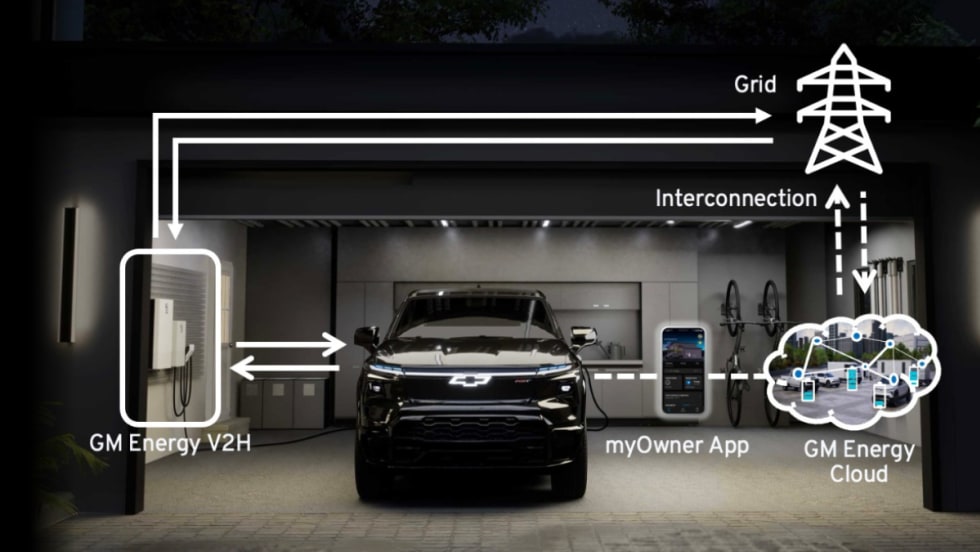
GM Energy Details Partnerships and Targets for Public Charging Build-Out
EVgo, Pilot, ChargePoint and IONNA named; goal is 35k GM-invested DC stalls by 2030, with customer-experience upgrades at sites.
Read More →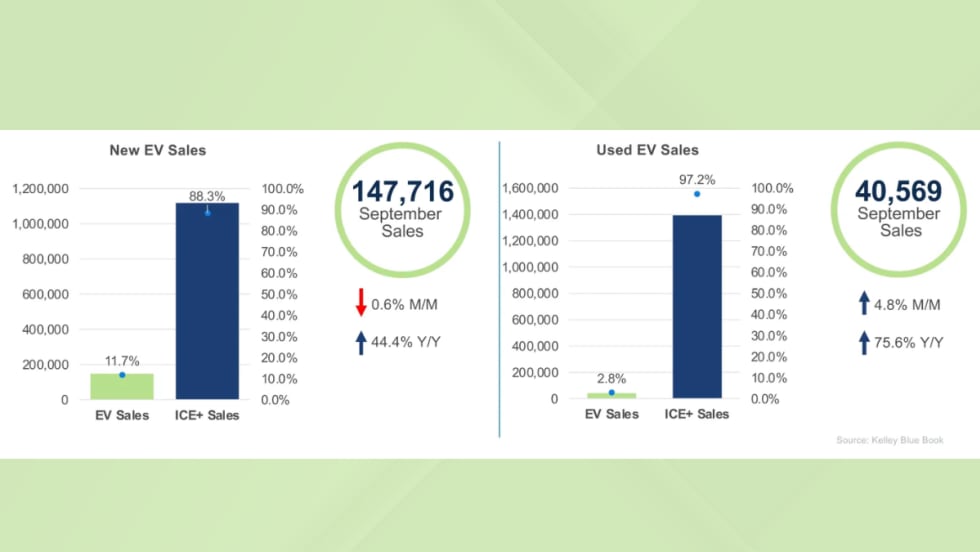
Q3 Electric Vehicles Sales Hit Record High
EV buyers took advantage of the final federal tax credit days, while average prices edged up for new EVs and continued to decline for used models.
Read More →