





Street Sweepers: 10 Mistakes Fleets Make When Spec’ing – And How to Avoid Them
Wirelessly Keeping New York City Streets Clean
With on-the-street inspectors and a wireless reporting system, New York City is making a big dent in street maintenance.
January 9, 2009

Armed with a wireless reporting system, the SCOUT system has been able to significantly improve the condition of New York City's extensive street system.
Photo: Automotive Fleet
3 min to read
With more than 8.2 million citizens, New York City is one of the world's most populous cities. Part and parcel to a city of this size is an equally large infrastructure, and just like any roadway system in cities across the country, maintenance of these roads is an important factor in keeping the system running safely and smoothly.
Clearly, the more streets in a city and the more traffic on those streets, the more maintenance issues arise. To provide more complete street maintenance and repair, the City formed the Street Conditions Observation Unit (SCOUT), a team of 15 inspectors who patrol the streets looking for maintenance problems.
Armed with a wireless reporting system, the SCOUT system has been able to significantly improve the condition of New York City's extensive street system.
SCOUT Helps City Locate Problems
Until recently, the City of New York relied on citizens to report street maintenance issues, such as potholes, litter, and graffiti. However, that user-dependent system wasn't 100-percent reliable. Even though the City designated a 3-1-1 phone number, citizens tended to report only issues affecting them personally, which left the City unaware of many problems and therefore incapable of solving them.
In 2007, Mayor Michael Bloomberg created the SCOUT team. These inspectors patrol the streets daily, covering each New York City street every month. When maintenance issues are spotted, SCOUT inspectors record the issue and report it to the proper agency.
To more quickly and efficiently communicate problems to the proper agency, the City employed a wireless reporting device that electronically provides inspectors required forms, while also instantly relaying those reports to City agencies via BlackBerry handheld devices.
"We looked to TeleNav Track to improve the process of monitoring street conditions so improvements can be made quickly and efficiently," said Girish Chhugani, executive director – Program Management Office. "TeleNav Track provides SCOUT inspectors customized wireless forms for easy data entry on their BlackBerry smart phones. This information is then wirelessly routed to the appropriate agency for corrective action."
SCOUT System Enhances Quality Assurance
SCOUT inspectors also use an image capture function to take photos of maintenance items as part of a quality assurance process performed on a percentage of issues.
Because TeleNav Track includes a GPS tracking system, fleet managers can also track inspectors' routes.
"The ability to quickly customize and deploy forms to the field is a very important and unique feature of TeleNav Track. The ability to track the route of the inspectors using the Web-based management tool provided by TeleNav is also a very important feature needed by the SCOUT program," Chhugani said.
While TeleNav Track revamped New York City's reporting system, launching the program was fairly simple.
"We were able to easily customize the wireless forms to fit our specific needs and what we wanted to use them for. It only took a few hours to learn how to use the system, and we started seeing results in the first month," Chhugani said.
By pairing the SCOUT team with TeleNav Track, the City has identified a greater number of street maintenance issues and resolved them more quickly. The City continues to rely on citizens to play their part in maintaining street conditions. The 3-1-1 system remains in place, but with SCOUT on the Web, launched August 2008, citizens can view street conditions in their neighborhood and track the status of repairs to the responsible agency, allowing citizens to work in tandem with the City to keep streets safe and improve the quality of life for New Yorkers.
Subscribe to Our Newsletter
More Green Fleet

Sponsored•June 1, 2026
Turning Connected Vehicle Data Into Decisions That Matter
Fleet leaders have more data than ever, but turning that data into clear, actionable decisions remains a challenge. This white paper shows how leading organizations are using connected vehicle data to improve safety, reduce costs, and optimize fleet performance. Learn how to turn insight into action across your fleet.
Read More →
Sponsored•May 29, 2026
Are You Tracking Your Fleet's True Total Cost of Ownership?
Bobit Business Media surveyed 190 fleet professionals and found that while most fleets are tracking costs, fragmented systems and data gaps are keeping true TCO visibility out of reach. With rising pressure to control spend in an increasingly volatile environment, the gap between what fleets think they know and what the data actually shows is wider than you might expect. See how your peers are managing costs today and where the industry still has room to improve.
Read More →
Sponsored•May 15, 2026
Hybrids: Electrification Without the Challenges
For fleet managers, fuel is one of the biggest line items in the budget — and it's one hybrids can shrink without changing how your people work. Download the eBook to see the numbers, understand the technology, and get a step-by-step guide to making the switch.
Read More →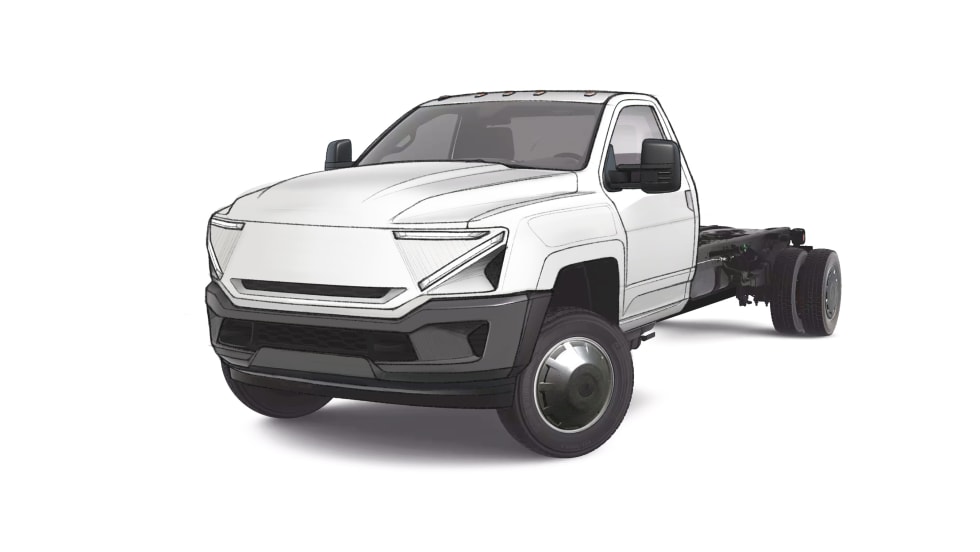
Startup ZMD Motors Developing Electric Conversion for Ram 5500 Work Trucks
Detroit-based company says it has begun early development of a system to convert internal combustion Ram 5500 chassis-cab trucks to electric power.
Read More →
U.S. EV Adoption Is Climbing, but Commercial and Passenger Markets Diverge
New industry group data revealed that light-duty electric vehicle sales are hitting record market share and volumes, while commercial EV volume dipped. What’s driving the fluctuations?
Read More →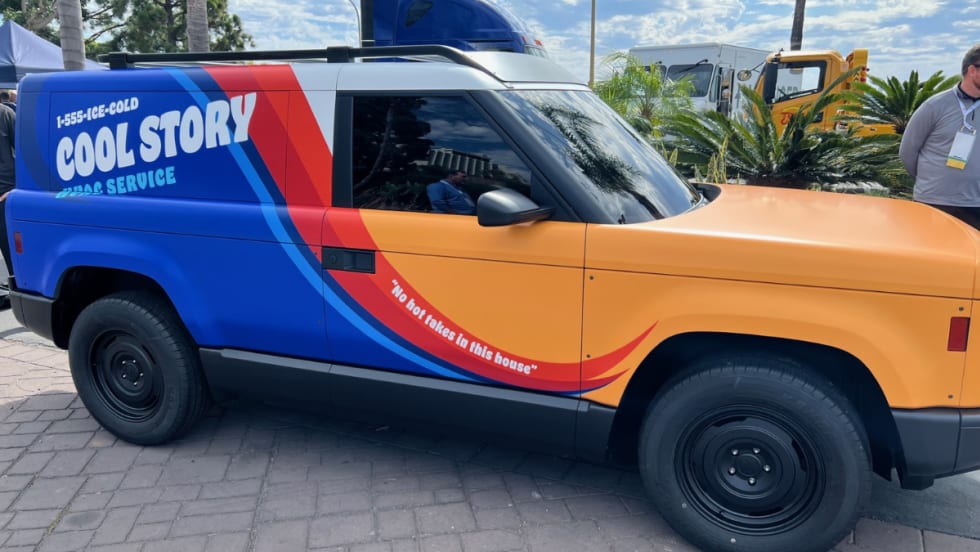
How To Upfit Electric Work Trucks and Vans
The biggest challenge lies in balancing additional equipment and accessories with EV battery capacity and range.
Read More →
How Fleets Can Adjust Approaches To EV Adoption
With the expiration of federal incentives, EV success now hinges less on government policy and more on discounts, battery tech progress, increased range, and broader infrastructure.
Read More →
Despite World Troubles, Forward Thinking Guides Fleets
Fleet operators shared their challenges during an annual conference that embraced the latest advances across all aspects of running private- and public-sector vehicles.
Read More →
GM Energy Details Partnerships and Targets for Public Charging Build-Out
EVgo, Pilot, ChargePoint and IONNA named; goal is 35k GM-invested DC stalls by 2030, with customer-experience upgrades at sites.
Read More →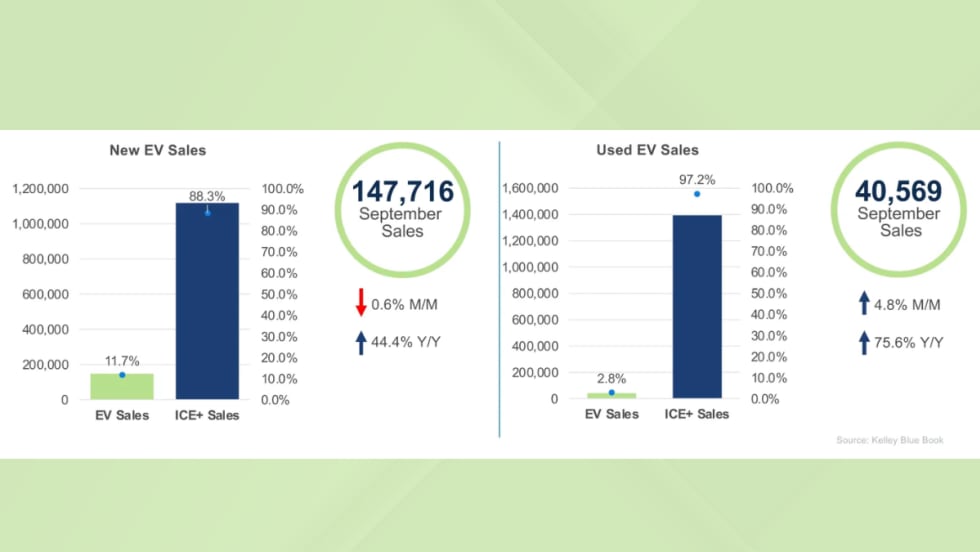
Q3 Electric Vehicles Sales Hit Record High
EV buyers took advantage of the final federal tax credit days, while average prices edged up for new EVs and continued to decline for used models.
Read More →