




The Truth About Carbon Offsets
With new tools and good information, fleets can reduce global warming pollution, position themselves as good corporate citizens, and improve their bottom lines.

Rising energy costs and climate change are dual challenges facing businesses today. These challenges are particularly salient for corporate vehicle fleets. Uncertainties loom — from fluctuating fuel costs to future government regulations. At the same time, companies are under increasing pressure to find cost-effective ways to reduce emissions, including purchasing carbon offsets.
Fleet vehicles are driven hard, averaging nearly double the mileage, fuel consumption, and emissions of personal vehicles. As a result, fleets are not only expensive to operate, but are also a major source of global warming pollution. In the U.S., nearly a third of carbon dioxide emissions come from transportation, and 62 percent of those come from cars and light trucks. Despite technological advances, vehicle emissions have continued to grow due to the popularity of larger vehicles, higher horsepower engines, and increasing vehicle miles traveled.
This is a problem we can solve. With new tools and good information, corporate fleets can reduce global warming pollution, become good corporate citizens, and improve their bottom lines.
Operating a cleaner, greener fleet means more than counting the number of hybrids or alternative-fuel vehicles a company puts on the road. Successful management means actively measuring and reducing a fleet’s greenhouse gas emissions over time.
Fleets that have already taken significant steps to reduce their emissions can reduce the rest — go "climate neutral" — by investing in high-quality carbon offset projects to effectively "zero-out" a fleet’s greenhouse gas impact. In most cases, the cost of the offsets will be a good deal lower than the fleet savings earned from reducing costs by improving efficiency. (For more information, including a five-step framework to green a fleet, visit www.edf.org/greenfleet).
A carbon offset counterbalances the impact of a company’s greenhouse gas emissions by avoiding or storing an equal amount of pollution, often at another site. When a company buys offsets, it essentially pays someone to reduce or remove global warming pollution in the company’s name.
Since greenhouse gases have the same impact on global warming regardless of where they are emitted on Earth, paying for an emission reduction that occurs elsewhere in the world helps solve the problem. In essence, by investing in credible offset projects, companies can operate a fleet that has no net global warming impact.
Offsets offer immediate opportunities to achieve important near-term reductions as next-generation technologies develop. Thus, they’re a critical part of any organization’s climate action plan.
Before exploring offsets, it’s important to understand the fleet’s GHG baseline — the amount of annual GHG emissions from the fleet. From that baseline, emission reduction goals can be set and strategies can be developed to reduce emissions. Emission reduction strategies include selecting more efficient vehicles or training drivers to use them more efficiently. Once direct vehicle emissions have been reduced as much as possible, carbon offsets become a viable option to make even deeper net reductions and help achieve aggressive reduction goals.
Fleet managers should follow these steps when considering offsets:
Understand offsets and priorities. Before purchasing offsets, companies should understand how offsets work and how they can help support strategic business goals.
Determine the purchase size. Once a company has measured and reduced direct vehicle emissions as much as possible, the fleet will still produce emissions. By calculating these remaining emissions, a fleet manager can determine how many offsets to purchase to make the fleet "climate neutral."
Review and evaluate available options. Offset quality is an important consideration. Because quality standards within the offset market are still developing, not all offsets have the same environmental value, which can complicate purchasing decisions.
Until uniform standards are established, buy only from trusted suppliers who verify that their offsets meet rigorous criteria. Examples of high-quality offset projects prescreened by Environmental Defense Fund can be found at www.CarbonOffsetList.org.
More Green Fleet

Turning Connected Vehicle Data Into Decisions That Matter
Fleet leaders have more data than ever, but turning that data into clear, actionable decisions remains a challenge. This white paper shows how leading organizations are using connected vehicle data to improve safety, reduce costs, and optimize fleet performance. Learn how to turn insight into action across your fleet.
Read More →
Are You Tracking Your Fleet's True Total Cost of Ownership?
Bobit Business Media surveyed 190 fleet professionals and found that while most fleets are tracking costs, fragmented systems and data gaps are keeping true TCO visibility out of reach. With rising pressure to control spend in an increasingly volatile environment, the gap between what fleets think they know and what the data actually shows is wider than you might expect. See how your peers are managing costs today and where the industry still has room to improve.
Read More →
Hybrids: Electrification Without the Challenges
For fleet managers, fuel is one of the biggest line items in the budget — and it's one hybrids can shrink without changing how your people work. Download the eBook to see the numbers, understand the technology, and get a step-by-step guide to making the switch.
Read More →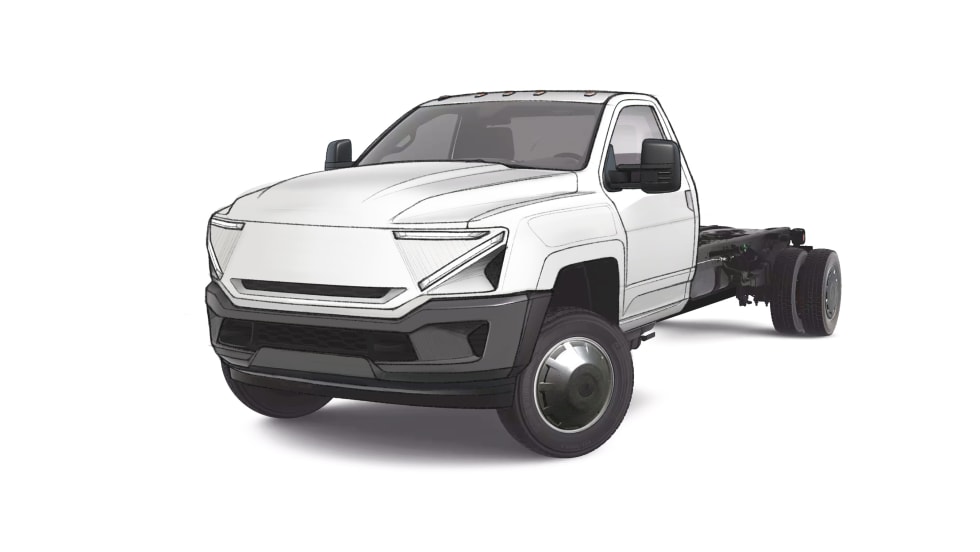
Startup ZMD Motors Developing Electric Conversion for Ram 5500 Work Trucks
Detroit-based company says it has begun early development of a system to convert internal combustion Ram 5500 chassis-cab trucks to electric power.
Read More →
U.S. EV Adoption Is Climbing, but Commercial and Passenger Markets Diverge
New industry group data revealed that light-duty electric vehicle sales are hitting record market share and volumes, while commercial EV volume dipped. What’s driving the fluctuations?
Read More →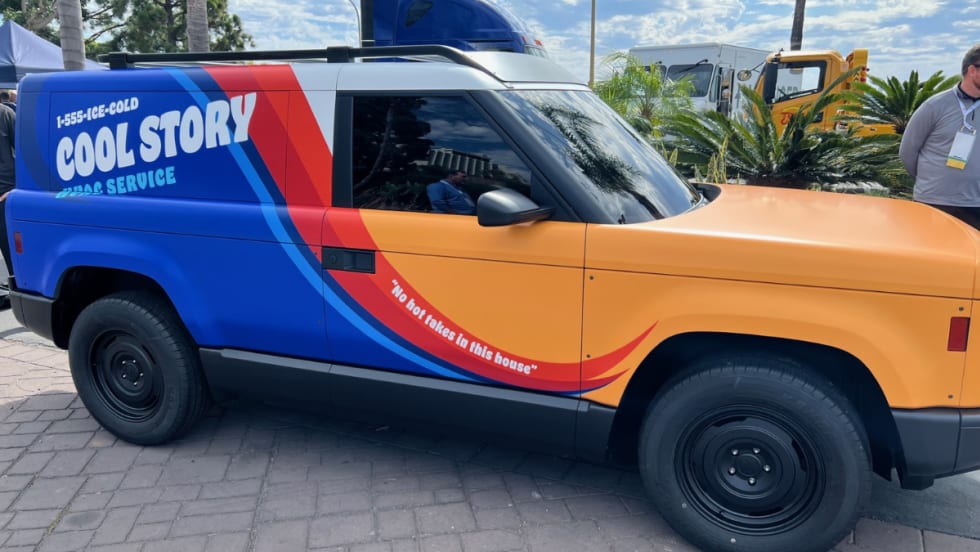
How To Upfit Electric Work Trucks and Vans
The biggest challenge lies in balancing additional equipment and accessories with EV battery capacity and range.
Read More →
How Fleets Can Adjust Approaches To EV Adoption
With the expiration of federal incentives, EV success now hinges less on government policy and more on discounts, battery tech progress, increased range, and broader infrastructure.
Read More →
Despite World Troubles, Forward Thinking Guides Fleets
Fleet operators shared their challenges during an annual conference that embraced the latest advances across all aspects of running private- and public-sector vehicles.
Read More →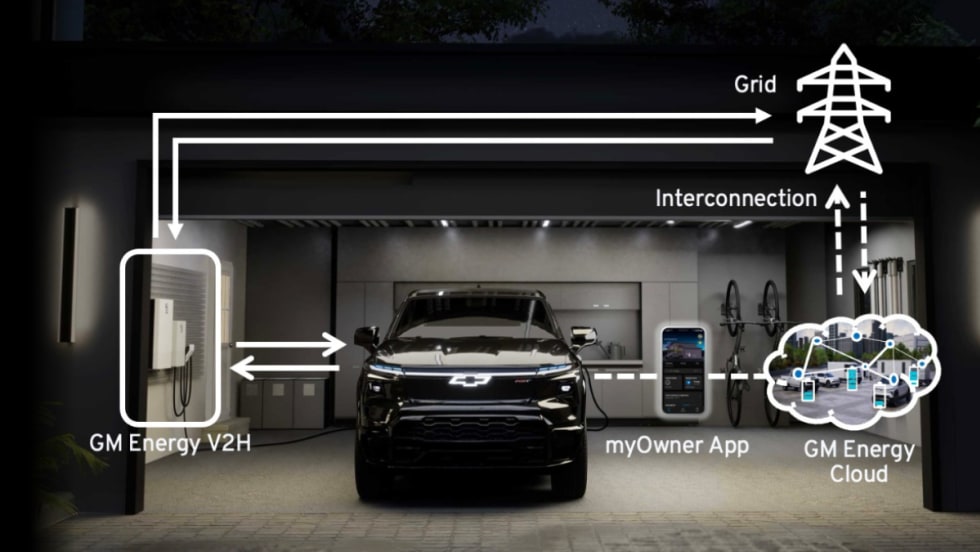
GM Energy Details Partnerships and Targets for Public Charging Build-Out
EVgo, Pilot, ChargePoint and IONNA named; goal is 35k GM-invested DC stalls by 2030, with customer-experience upgrades at sites.
Read More →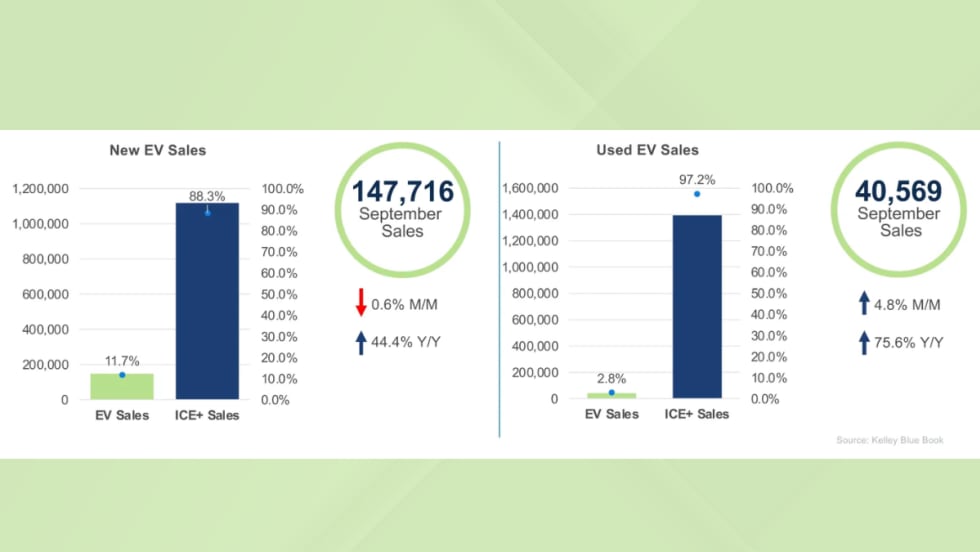
Q3 Electric Vehicles Sales Hit Record High
EV buyers took advantage of the final federal tax credit days, while average prices edged up for new EVs and continued to decline for used models.
Read More →