




Biodiesel Powers More Fleets Than Ever
Biodiesel use has dramatically increased the last few years, with production at a high of 450 million gallons in 2007. A number of private and public sector fleets have already discovered its benefits.

Some mornings, the weather is so cold that equipment operators in Keene, N.H., are chilled to the bone. Temperatures can drop as low as 50 degrees below zero, but according to Steve Russell, fleet services superintendent, the cold doesn’t affect the city’s snow plows, fire and rescue vehicles, and other equipment running on a blend of biodiesel.
“We know we can rely on our biodiesel-powered vehicles even on the coldest New Hampshire days,” said Russell. “It’s been five years since we made the switch to B-20 in our 70-vehicle fleet, and we’ve had no problems whatsoever.”
Biodiesel is a cleaner-burning alternative to diesel fuel domestically produced from renewable resources, such as vegetable oils or fats. Biodiesel blends such as B-20, a blend of 20-percent biodiesel and 80-percent petroleum diesel, can be used in any diesel equipment without modification.
Demonstrating biodiesel’s growing role in corporate sustainability, one of the nation’s largest food and drug retailers is fueling its entire U.S. truck fleet with B-20. Safeway, Inc. made the switch as part of the company’s greenhouse gas reduction initiative.
“Safeway is proud to lead by example to help protect the environment,” said Safeway Chairman, President, and CEO Steve Burd. “Using biodiesel to power our transportation fleet will prevent millions of pounds of carbon emissions from being released into the environment. Our biodiesel program is just one of many initiatives underway that will make a positive impact on the environment.”
The City of Denver’s Department of Public Works (DPW) began using B-20 in 60 vehicles in 2004 during a pilot program. The department gradually increased biodiesel use and now the city’s approximately 600-vehicle fleet is fueled with B-20 all year long. Denver DPW fleet managers expect to use about 1 million gallons of biodiesel this year.
“Denver has made the switch to biodiesel to benefit human health and the environment, to reduce harmful emissions, and to reduce the city’s dependency on foreign oil,” said Denver operations administrator Nancy Kuhn. “We knew it would be easy to implement with no modifications required to the vehicles, maintenance facilities, or fueling infrastructure. The fuel was also readily available.”
Biodiesel use has grown dramatically during the last several years. Production topped 450 million gallons in 2007, up from 250 million gallons in 2006.
That growth is likely to continue, especially with the recent passage of the federal Energy Bill. The measure significantly expands the renewable fuels standard (RFS). It will mandate a specific renewable requirement for diesel fuel that will be met by biodiesel and other renewable biomass-based diesel fuels, increasing the minimum renewable requirement in the diesel pool from 500 million gallons in 2009 to 1 billion gallons in 2012. In addition, the fuel labeling requirements in the bill will promote consumer confidence in renewable fuels and help ensure that only quality fuels are entered into commerce.
[PAGEBREAK]
Many fleet managers wonder if the original equipment manufacturers (OEMs) will honor engine warranties if they use biodiesel in their vehicles. Every major U.S. OEM approves of at least up to B-5. Higher blends will not necessarily affect the warranty in most cases. Cummins, Caterpillar, Case IH, and New Holland have all announced approval of the use of B-20 or higher blends in the majority of their engines and equipment.
Cummins approves B-20 for use in its 2002 and later emissions-compliant ISX, ISM, ISL, ISC and ISB engines, including 2007 model-year products. The engines approved for B-20 are used to power a wide range of vehicles including medium- and heavy-duty trucks, motor homes, school buses, fire and emergency vehicles, and urban buses and shuttles.
“Cummins’ announcement was a major milestone for diesel equipment-maker acceptance of biodiesel,” said Steve Howell, National Biodiesel Board (NBB) technical director. “As knowledgeable consumers add ‘support for B-20’ in their purchasing decisions for diesel vehicles, the smart companies are taking advantage of that and issuing B-20 support as a way to capture this growing sentiment for using fuels we don’t have to import.”
Caterpillar approves the use of B-30 in its ACERT technology engines. The company also approves B-20 use for Caterpillar C0.5 through C4.4 mechanical fuel injection-equipped engines that meet both Tier 3 and Stage 3a emissions regulations. B-5 is also permitted for C0.5 through C4.4 engines that meet Tier 2/Stage 2 or earlier emissions requirements.
New Holland approves the use of B-100 in all equipment with New Holland-manufactured diesel engines. Case IH supports the use of B-100 in nearly half of the Case IH models sold globally. In addition, more than 90 percent of the Case IH models now sold in Europe and North America are approved for B-20 blends.
General Motors approves the use of B-5 in all of its diesel-powered trucks and vans and offers a special equipment option for select fleets to operate vehicles on B-20.
Among light-duty vehicle manufacturers, Chrysler continues to lead in its support of biodiesel. Chrysler has approved all use of B-5 in its diesel vehicles and use of B-20 by its fleet customers who follow fuel quality specifications.
“When our diesel products are run on clean, renewable biodiesel, the environmental benefits are even greater — at the same time we are reducing our dependence on petroleum and supporting America’s farm economy,” said Deborah Morrissett, vice president - regulatory affairs for Chrysler.
Chrysler and the NBB have partnered on several initiatives to promote diesel and biodiesel as alternatives to gasoline. Most importantly, the two are working together for a new national fuel standard for biodiesel blends. This will supplement the current standard for B-100 (ASTM D 6751).
The biodiesel blend specification that covers blends of 6-to-20 percent biodiesel (B-6 to B-20) is nearing finalization within ASTM International, the standard-setting body. Major engine companies and petroleum refiners joined the biodiesel industry in voting for its passage.
“We have known for years that B-20 made with in-spec biodiesel is a good quality, reliable fuel, but the majority of OEMs view the adoption of a blended fuel specification as a key component for full, universal acceptance of B-20,” Howell said.
“A B-20 standard will enable us to support the use of B-20 in all diesel vehicles, further encouraging use of this clean, renewable, American-made fuel,” Chrysler’s Morrissett said.
Chrysler plans to announce its formal support for B-20 once ASTM has formally approved a B-20 specification.
A growing number of OEMs also recommend using biodiesel from BQ-9000 certified companies. BQ-9000 is the industry’s quality assurance program for producers and marketers. To see a list of suppliers, visit www.BQ-9000.org.
Although biodiesel blends may cost a little more, many fleet managers say the benefits are worth the investment. This is the fifth year Harvard University in Cambridge, Mass., has used B-20 in its 70-diesel vehicle fleet of snow plows, shuttle buses, waste and recycling trucks, tractors, and pickups.
“What I really like about biodiesel is what I call the ‘dynamic triangle,’ ” said Harvard Transportation Manager Dave Harris. “Not only is it cleaner burning, but it’s also produced from a renewable resource, and it reduces our dependence on foreign oil,” Harris said. “The world would be a better place if everyone used biodiesel.”
More Green Fleet

Turning Connected Vehicle Data Into Decisions That Matter
Fleet leaders have more data than ever, but turning that data into clear, actionable decisions remains a challenge. This white paper shows how leading organizations are using connected vehicle data to improve safety, reduce costs, and optimize fleet performance. Learn how to turn insight into action across your fleet.
Read More →
Are You Tracking Your Fleet's True Total Cost of Ownership?
Bobit Business Media surveyed 190 fleet professionals and found that while most fleets are tracking costs, fragmented systems and data gaps are keeping true TCO visibility out of reach. With rising pressure to control spend in an increasingly volatile environment, the gap between what fleets think they know and what the data actually shows is wider than you might expect. See how your peers are managing costs today and where the industry still has room to improve.
Read More →
Hybrids: Electrification Without the Challenges
For fleet managers, fuel is one of the biggest line items in the budget — and it's one hybrids can shrink without changing how your people work. Download the eBook to see the numbers, understand the technology, and get a step-by-step guide to making the switch.
Read More →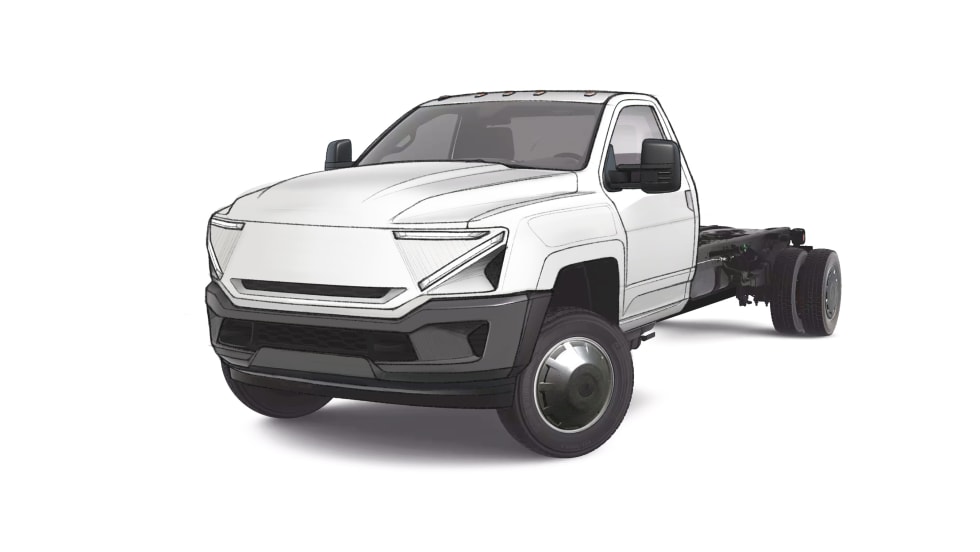
Startup ZMD Motors Developing Electric Conversion for Ram 5500 Work Trucks
Detroit-based company says it has begun early development of a system to convert internal combustion Ram 5500 chassis-cab trucks to electric power.
Read More →
U.S. EV Adoption Is Climbing, but Commercial and Passenger Markets Diverge
New industry group data revealed that light-duty electric vehicle sales are hitting record market share and volumes, while commercial EV volume dipped. What’s driving the fluctuations?
Read More →
How To Upfit Electric Work Trucks and Vans
The biggest challenge lies in balancing additional equipment and accessories with EV battery capacity and range.
Read More →
How Fleets Can Adjust Approaches To EV Adoption
With the expiration of federal incentives, EV success now hinges less on government policy and more on discounts, battery tech progress, increased range, and broader infrastructure.
Read More →
Despite World Troubles, Forward Thinking Guides Fleets
Fleet operators shared their challenges during an annual conference that embraced the latest advances across all aspects of running private- and public-sector vehicles.
Read More →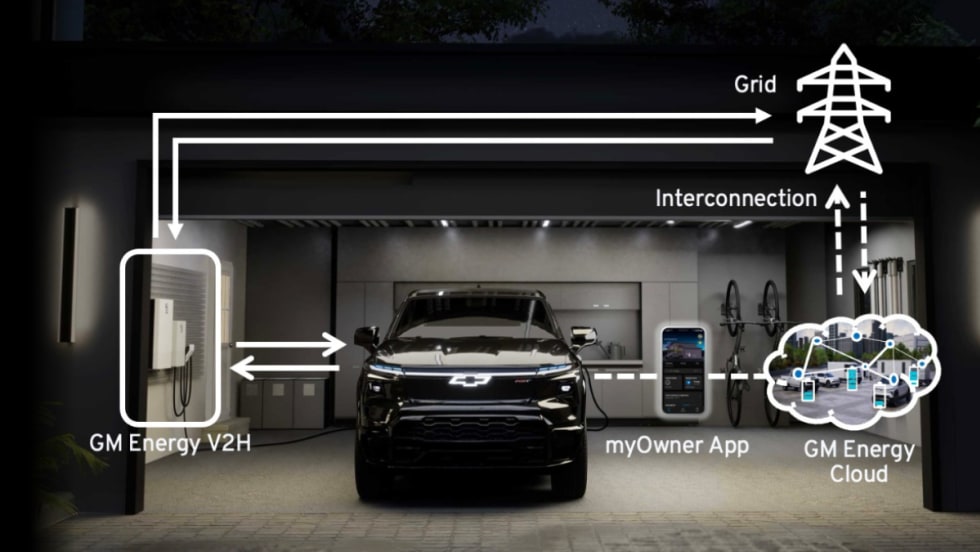
GM Energy Details Partnerships and Targets for Public Charging Build-Out
EVgo, Pilot, ChargePoint and IONNA named; goal is 35k GM-invested DC stalls by 2030, with customer-experience upgrades at sites.
Read More →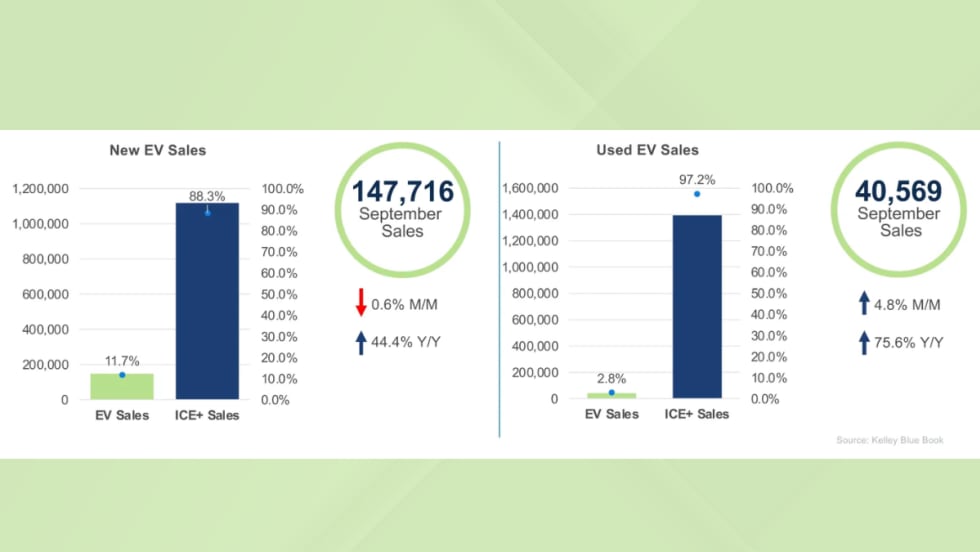
Q3 Electric Vehicles Sales Hit Record High
EV buyers took advantage of the final federal tax credit days, while average prices edged up for new EVs and continued to decline for used models.
Read More →