




Roche Incorporates Environmental Alternatives Into Its Fleet
Roche, a leading pharmaceutical and diagnostic business, implemented a successful hyybrid vehicle program that reduces gas and emissions in its sales fleet.

Like most healthcare organizations, Roche is committed to enhancing the well-being and quality of life not only for its clients, but also for employees, starting with the company’s fleet.
Dr. Jack Kace, vice president, environmental and safety for Roche formed the safety, health, and environmental (SHE) group. The SHE team’s core principles include the health and safety of employees and the community, and protection of the environment. Environmental concerns cover air emissions, waste discharges, and solid wastes.
“A few years ago, we were concerned about crash test ratings, rollover likelihood, and classic safety parameters with the fleet. Now we have begun to branch out to industrial hygiene concerns that are primarily ergonomic,” said Kace.
For example, if the material in a vehicle’s interior seats causes back strain or any pain, the SHE group investigates the issue. SHE also looks at fleet vehicles’ environmental impact. In 2004, SHE observed the amount of gasoline the Roche fleet consumed, combined with the amount of emissions it emitted, and devised plans to reduce both. “There is no department at Roche that is untouched by our efforts toward energy conservation,” said Kace.
Roche wanted to reduce CO² emissions and mileage. In 2004, the company began its volunteer hybrid fleet vehicle program. Drivers choose their vehicles, and the hybrid of choice at the time was the Toyota Prius. Roche started with 50 hybrids and, by driver demand, expanded the numbers, later adding the Ford Escape Hybrid. Roche Fleet Manager Angela Gregorowicz manages about 2,040 vehicles, including 242 hybrids. “Among other duties, I work with our environmental, health, and safety department and help select the right vehicle to meet Roche corporate goals,” said Gregorowicz.
When the hybrid program began, some Roche drivers were skeptical, voicing concerns about vehicle servicing. However, the vehicles have proven reliable and cost-effective.
“Our drivers are happy with the hybrids, and they are willing to wait for the vehicles even though it takes a while before they are received. But our drivers believe in these cars and how they have benefited the company,” said Gregorowicz.
Wheels Inc., Roche’s leasing company, has estimated the total operating cost of using a Toyota Prius versus a traditional mid-sized sedan. Over a normal operating period, the Prius saves Roche $3,000 in total costs. The total savings fluctuates with initial purchase price. While Roche pays more for the hybrid initially, the Prius resale value is good and the hybrid saves about $1,500 a year in gasoline costs.
The U.S. Environmental Protection Agency (EPA) Climate Leaders program recently recognized Roche for achieving its corporate goal two years ahead of schedule. The goal targeted a 10.8-percent reduction in greenhouse gas emissions since 2001. Incorporating hybrid and electric vehicles within its fleet helped achieved this goal.
Roche also recently submitted new 2010 goals to the EPA. Roche pledged to further reduce greenhouse gas emissions across the country and move to a 15-percent reduction of gases by 2010.
More Operations
How to Manage Conflict for Your Fleet Operations
Conflict management is becoming a core leadership skill. Here are five strategies fleet leaders should know.
Read More →
Turning Connected Vehicle Data Into Decisions That Matter
Fleet leaders have more data than ever, but turning that data into clear, actionable decisions remains a challenge. This white paper shows how leading organizations are using connected vehicle data to improve safety, reduce costs, and optimize fleet performance. Learn how to turn insight into action across your fleet.
Read More →
Cameras, Safety and Insurance: From Reactive Claims to Real-time Prevention
Commercial auto remains one of the most challenging and costly lines of coverage for fleet operators and insurers alike. Learn more about how to effectively address these issues from Onur Aksan, Enterprise Business Development Executive, Geotab.
Read More →

Are You Tracking Your Fleet's True Total Cost of Ownership?
Bobit Business Media surveyed 190 fleet professionals and found that while most fleets are tracking costs, fragmented systems and data gaps are keeping true TCO visibility out of reach. With rising pressure to control spend in an increasingly volatile environment, the gap between what fleets think they know and what the data actually shows is wider than you might expect. See how your peers are managing costs today and where the industry still has room to improve.
Read More →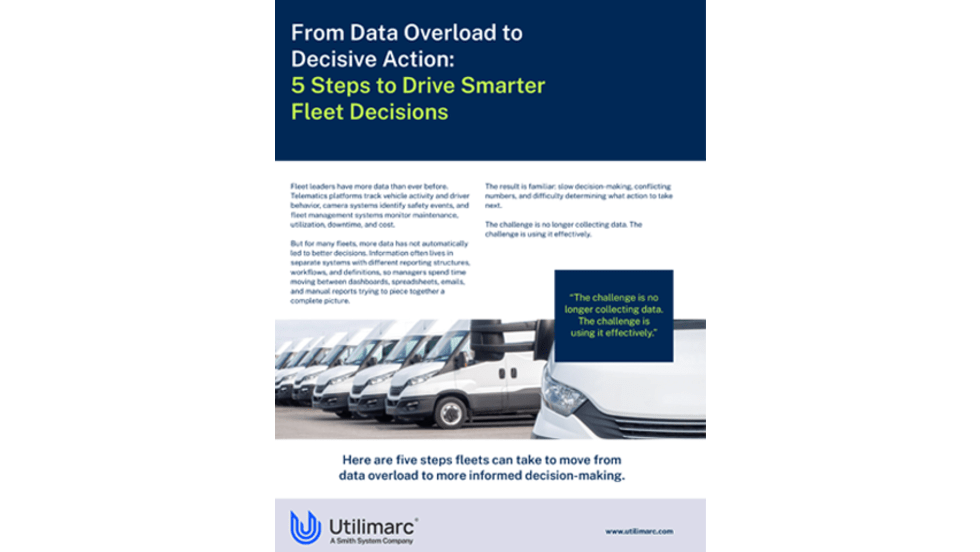
Turn Fleet Data Into Smarter Decisions
Fleet leaders have access to more operational data than ever, but disconnected systems and unclear metrics often slow decision-making instead of improving it. This article outlines five practical steps fleets can take to transform fragmented data into actionable insights that improve planning, safety, utilization, and long-term performance.
Read More →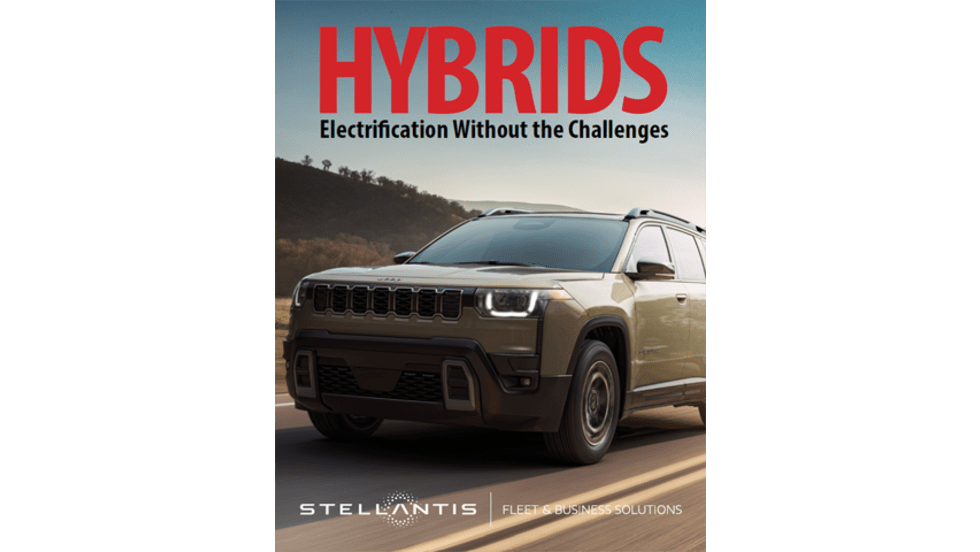
Hybrids: Electrification Without the Challenges
For fleet managers, fuel is one of the biggest line items in the budget — and it's one hybrids can shrink without changing how your people work. Download the eBook to see the numbers, understand the technology, and get a step-by-step guide to making the switch.
Read More →
How NOV Uses Telematics to Improve Fleet Safety Across 160 Locations
James Victory of NOV discusses how the company manages fleet safety, maintenance, and telematics across more than 150 locations supporting oilfield operations throughout the U.S.
Read More →
Fleet Meets: Steven Santostasi
This edition of the Fleet Meets series features Steven Santostasi, the current TSP channel manager for Ford Pro.
Read More →
Why Fleet Managers Are Replacing Departmental Vehicles with Shared Motor Pools
Departmentally assigned vehicles often create hidden costs through underutilization, poor visibility, and increased administrative burden. This white paper explores how shared motor pool strategies help fleets reduce costs, improve accountability, and optimize vehicle utilization.
Read More →
Soap Box Derby Challenge: Assembling the Crew
Meet Gabriel, Matthew, and Angel — the team helping bring this soap box derby build to life.
Read More →