




Fleet Webinar Explores Going Green
At last fall’s online discussion, presented by Bobit Business Media, industry experts discussed the benefits and difficulties of taking a fleet green.

Going “green” is hot today, and fleet managers want to know what it takes in time, money, and vehicles to qualify their fleets as green. Last fall, Bobit Business Media (BBM) convened an online seminar to address the questions.
Panel members included Sherb Brown, VP BBM; Gary Scanlon, national sales manager of Merchants Leasing; Gary Starr, chairman, Zap Electric Vehicles; Luke May, field operations and energy diversity manager, Northeast region, General Motors; and Chris Brown, managing editor of Business Fleet magazine.
Scanlon noted issues fleet managers must consider. First, they must know the level of green motivation in their organization.
- Low motivation
– doing whatever can be done without impacting operating costs.
- Medium motivation
– a budget has been established, but improvements are added gradually.
- High motivation
– the organization is committed to realign the fleet.
In going green, the first step is redesigning the vehicle selector, eliminating models that do not meet new fuel economy or emissions criteria. In highly motivated companies, fleet managers can take the more extreme measure of immediately replacing the fleet with vehicles incorporating the latest technology.
Chris Brown noted that large fleets, such as UPS, FedEx, and WalMart, are working with manufacturers to develop diesel-electric hybrid delivery vans. Such measures enhance a company’s corporate image as an environmental steward. They reduce the country’s overall dependence on imported oil, and offer tax incentives.
May discussed GM’s “advanced propulsion technology” initiatives with the internal combustion engine. He cited the use of biofuels, such as E-85 ethanol and biodiesel, to reduce emissions in conventional engines.
GM offers 12 models that can run on E-85, said May, noting that ethanol is a quick answer to cutting petroleum use. New technology will allow ethanol to be produced from biomass waste.
More new B-20 capable vehicles are now offered, May said, pointing out that refineries could produce more biodiesel, but the distribution infrastructure is not yet fully available.
The advantages of hydrogen fuel cell vehicles include zero emissions and no petroleum consumption, said May. He also described Chevrolet’s Volt plug-in electric vehicle, currently targeted as a 2009 model-year launch. It is pure electric, but can be recharged from an on-board “range extender” generator that can burn anything from CNG to diesel fuel.
Starr explained the financial advantages of using pure electric vehicles. The most popular electric vehicle in fleet use today is the Neighborhood Electric Vehicle (NEV), limited to a top speed of 25 mph. While no highway-capable electric vehicles are available currently, several companies, including his own, are developing them, said Starr.
He stressed NEV cost-effectiveness for fleets. While the vehicles have some range and carrying capacity restrictions, many fleets can take advantage of the size and efficiency of electric vehicles for up to 10 percent of their needs.
BBM’s Sherb Brown discussed compressed natural gas (CNG) and liquefied petroleum gas (LPG) technology. Currently, the only OEM CNG vehicle is the Honda Civic NGV.
No vehicles capable of running on LPG are now being produced, but aftermarket conversions are available. LPG is cleaner than gasoline and is produced domestically.
Finally, Chris Brown detailed the process of offsetting carbon emissions by paying for emissions reductions elsewhere, such as methane recapture or tree planting. A calculator to determine a fleet’s carbon emissions is available online, he said.
An audio file of the Green Fleet Webinar and other BBM online discussions are archived on www.fleetcentral.com.
More Operations
How to Manage Conflict for Your Fleet Operations
Conflict management is becoming a core leadership skill. Here are five strategies fleet leaders should know.
Read More →
Turning Connected Vehicle Data Into Decisions That Matter
Fleet leaders have more data than ever, but turning that data into clear, actionable decisions remains a challenge. This white paper shows how leading organizations are using connected vehicle data to improve safety, reduce costs, and optimize fleet performance. Learn how to turn insight into action across your fleet.
Read More →
Cameras, Safety and Insurance: From Reactive Claims to Real-time Prevention
Commercial auto remains one of the most challenging and costly lines of coverage for fleet operators and insurers alike. Learn more about how to effectively address these issues from Onur Aksan, Enterprise Business Development Executive, Geotab.
Read More →

Are You Tracking Your Fleet's True Total Cost of Ownership?
Bobit Business Media surveyed 190 fleet professionals and found that while most fleets are tracking costs, fragmented systems and data gaps are keeping true TCO visibility out of reach. With rising pressure to control spend in an increasingly volatile environment, the gap between what fleets think they know and what the data actually shows is wider than you might expect. See how your peers are managing costs today and where the industry still has room to improve.
Read More →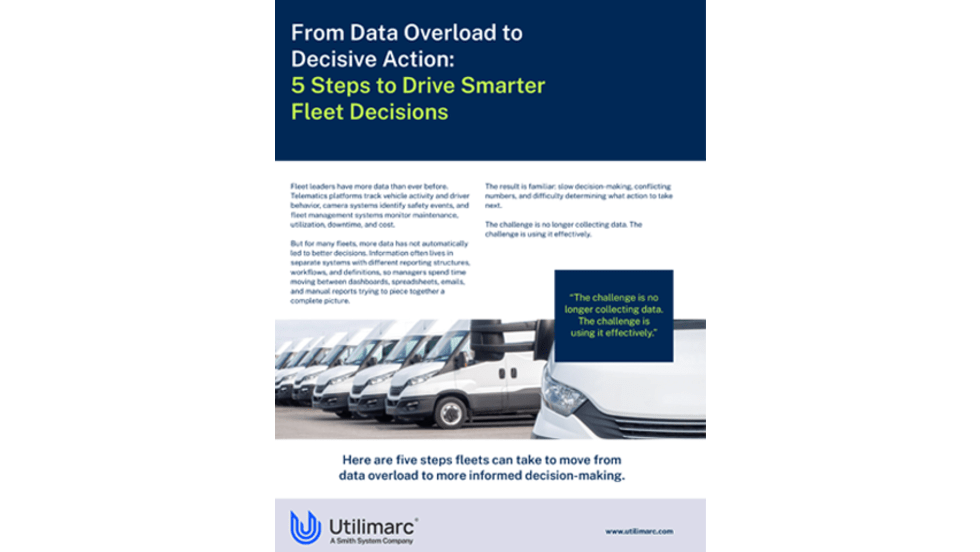
Turn Fleet Data Into Smarter Decisions
Fleet leaders have access to more operational data than ever, but disconnected systems and unclear metrics often slow decision-making instead of improving it. This article outlines five practical steps fleets can take to transform fragmented data into actionable insights that improve planning, safety, utilization, and long-term performance.
Read More →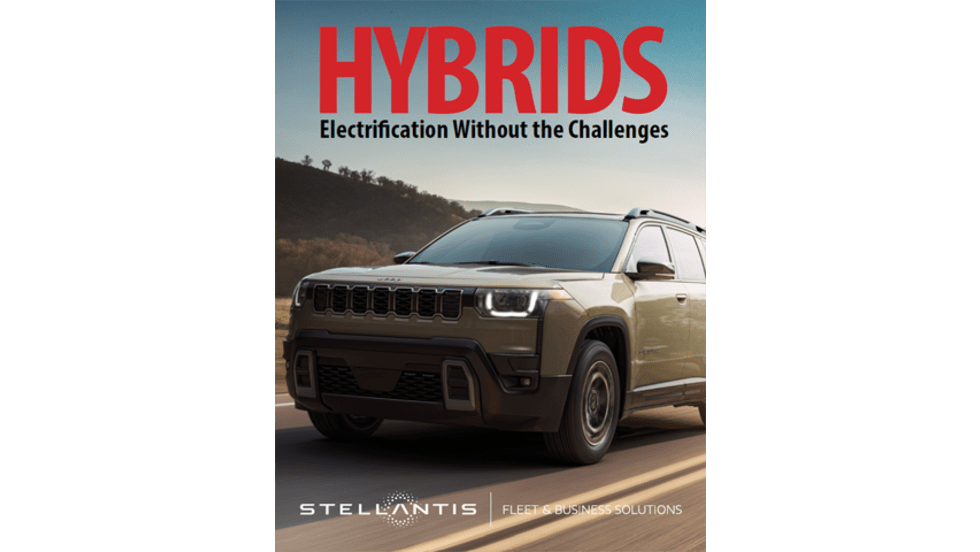
Hybrids: Electrification Without the Challenges
For fleet managers, fuel is one of the biggest line items in the budget — and it's one hybrids can shrink without changing how your people work. Download the eBook to see the numbers, understand the technology, and get a step-by-step guide to making the switch.
Read More →
How NOV Uses Telematics to Improve Fleet Safety Across 160 Locations
James Victory of NOV discusses how the company manages fleet safety, maintenance, and telematics across more than 150 locations supporting oilfield operations throughout the U.S.
Read More →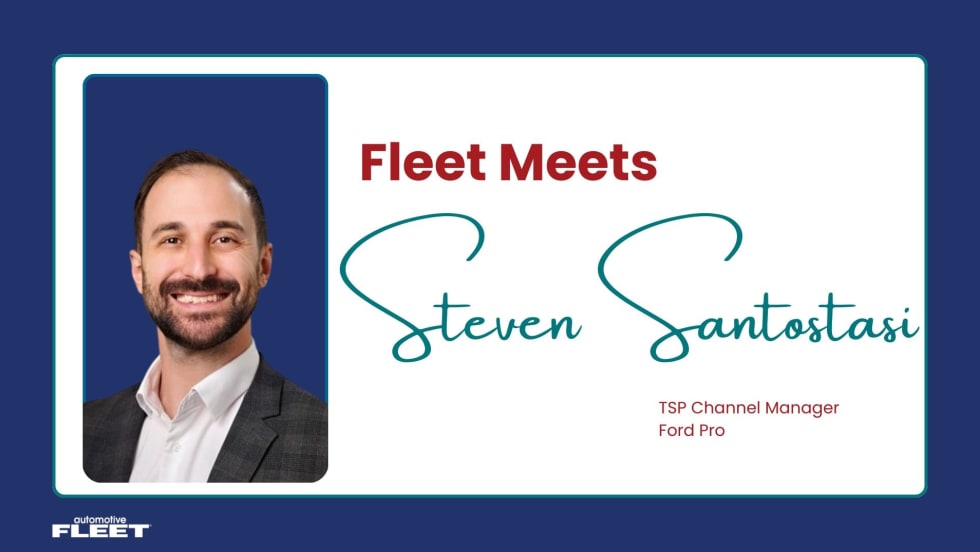
Fleet Meets: Steven Santostasi
This edition of the Fleet Meets series features Steven Santostasi, the current TSP channel manager for Ford Pro.
Read More →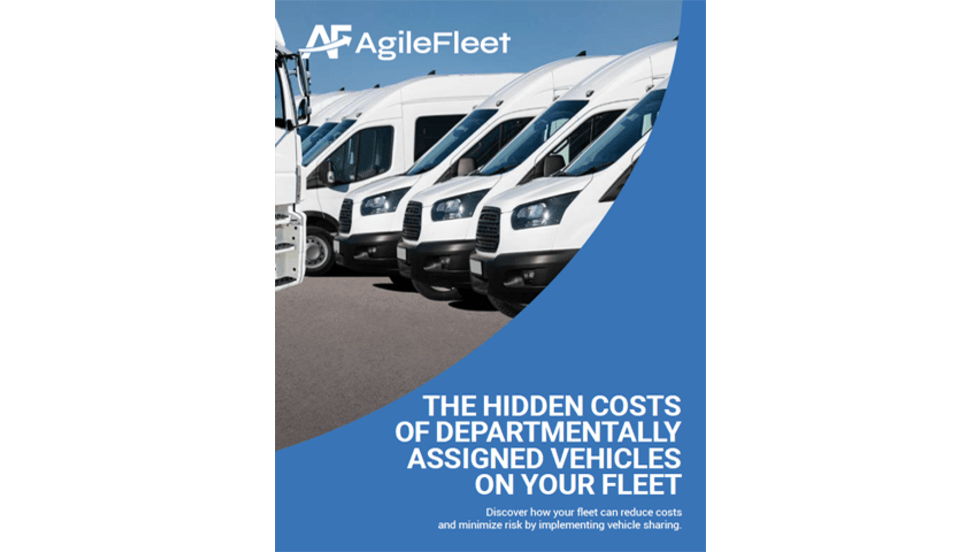
Why Fleet Managers Are Replacing Departmental Vehicles with Shared Motor Pools
Departmentally assigned vehicles often create hidden costs through underutilization, poor visibility, and increased administrative burden. This white paper explores how shared motor pool strategies help fleets reduce costs, improve accountability, and optimize vehicle utilization.
Read More →
Soap Box Derby Challenge: Assembling the Crew
Meet Gabriel, Matthew, and Angel — the team helping bring this soap box derby build to life.
Read More →