




Added Capabilities Underway for Teletrac's Turn-By-Turn Automated Navigation System
ARLINGTON, TX – Teletrac, Inc., the developer of Fleet Director, a fully-integrated GPS-based commercial vehicle tracking and fleet management system, is developing several new options for Fleet Director's automated navigation product.
ARLINGTON, TX – Teletrac, Inc., the developer of Fleet Director, a fully-integrated GPS-based commercial vehicle tracking and fleet management system, is developing several new options for Fleet Director's automated navigation product. Real-time, fully automated, voice communicated traffic information will be available to supplement the voice prompt, real-time, speed-calibrated driving instructions.
Powered by NAVTEQ Traffic, Fleet Director provides routing information based upon sources such as proprietary and government sensors, proprietary incident data, and probe data. Throughout the trip, the system then monitors traffic conditions and automatically contacts the vehicle if a better route develops due to changing traffic conditions. All route calculations are performed by Teletrac-hosted servers from which the information is downloaded to the vehicle. This configuration allows the most current map data to always be available without requiring any customer involvement.
Within the Fleet Director system, it is also possible to designate whether a vehicle is a Class 8 truck or not. When a Class 8 tractor is assigned a destination, the Fleet Director software then automatically calculates a route taking into account NAVTEQ Transport truck attributes such as height, weight, and width restrictions and preferred designated "truck routes."
[PAGEBREAK]
Teletrac is also developing an additional option for destination selection and route loading. At present, the Fleet Director dispatcher assigns the call and implements downloading of the information to the driver. The new option will allow the driver to input the destination information and activate the download. Using a touch screen monitor, the driver enters the destination address and then activates the download. Teletrac is also pursuing the development of a similar capability for its in-cab message display terminal.
By knowing each vehicle's location and status, companies can control and reduce their fuel consumption levels with more efficient dispatching, the monitoring of vehicle speeds, and controlling out-of-route miles. Automated navigation, when combined with routing that takes traffic situations into consideration, provides an additional tool to help reduce fuel usage. By routing vehicles around areas where traffic delays routinely occur, and rerouting them when accidents disrupt normal patterns, vehicles are kept moving instead of stopped in traffic. This not only helps improve a fleet's MPG averages, but also can help reduce a fleet's carbon footprint and the higher maintenance costs that come with excessive idling. A 2007 survey of Teletrac customers showed average fuel savings of 13 percent. Individual reported savings ranged from five percent to 30 percent.
Final field testing of the new enhancements is currently being completed. Teletrac plans to have the products available during the third quarter of 2008.
Visit www.teletrac.net for more information.
More Telematics

Building Smarter Cybersecurity Policies for Fleet Operations
As fleet operations become increasingly connected, cybersecurity can no longer be treated as an IT issue alone. Building effective policies requires a proactive approach that protects vehicles, data, and operational systems while ensuring employees, vendors, and technology partners follow consistent security standards.
Read More →
Turning Connected Vehicle Data Into Decisions That Matter
Fleet leaders have more data than ever, but turning that data into clear, actionable decisions remains a challenge. This white paper shows how leading organizations are using connected vehicle data to improve safety, reduce costs, and optimize fleet performance. Learn how to turn insight into action across your fleet.
Read More →
Cameras, Safety and Insurance: From Reactive Claims to Real-time Prevention
Commercial auto remains one of the most challenging and costly lines of coverage for fleet operators and insurers alike. Learn more about how to effectively address these issues from Onur Aksan, Enterprise Business Development Executive, Geotab.
Read More →

The Predictive Pivot: How AI and Data Are Redefining Auto Logistics in 2026
AI is no longer a luxury but the baseline for profitability in 2026. Auto haulers that adopt these tools now will quickly outpace those that use manual workflows or take a wait-and-see approach.
Read More →
How 5-Second Telematics Data Is Changing Fleet Safety
More detailed telematics data is giving fleets a clearer picture of what happens before a crash. Here’s why 5-second data matters.
Read More →
Mobilisights Rebrands as Mobilisights Connect
Stellantis is rebranding and expanding its B2B offerings, now offering software solutions for fleets through Mobilisights Connect.
Read More →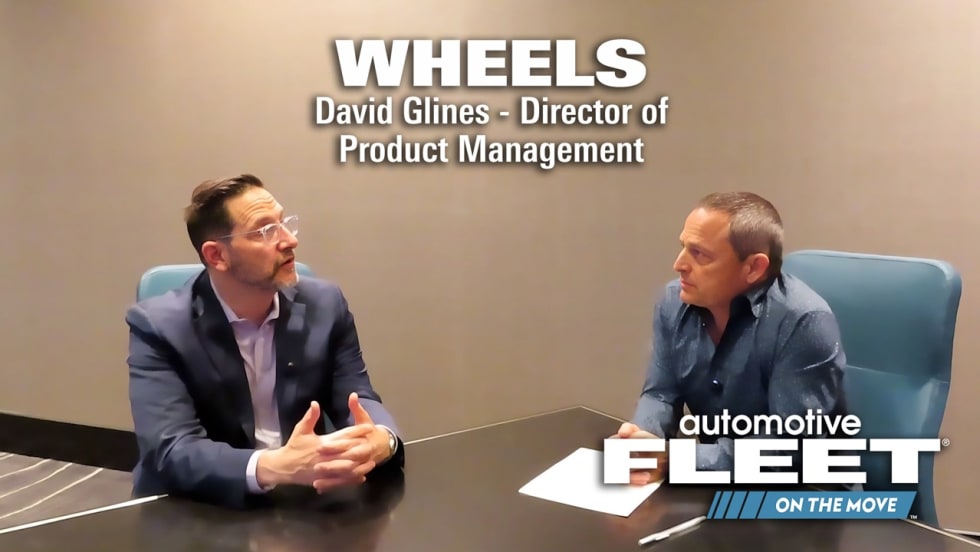
Can AI Really Make Fleet Drivers Safer?
Wheels’ David Glines explains how AI-powered coaching, connected vehicle data, and video telematics are helping fleets improve driver behavior.
Read More →
Ford Pro Telematics Introduces Asset Tracking
Ford Pro Telematics new software update allows fleet managers more control over their vehicle data and assets with customizable dashboards and data-driven search capabilities.
Read More →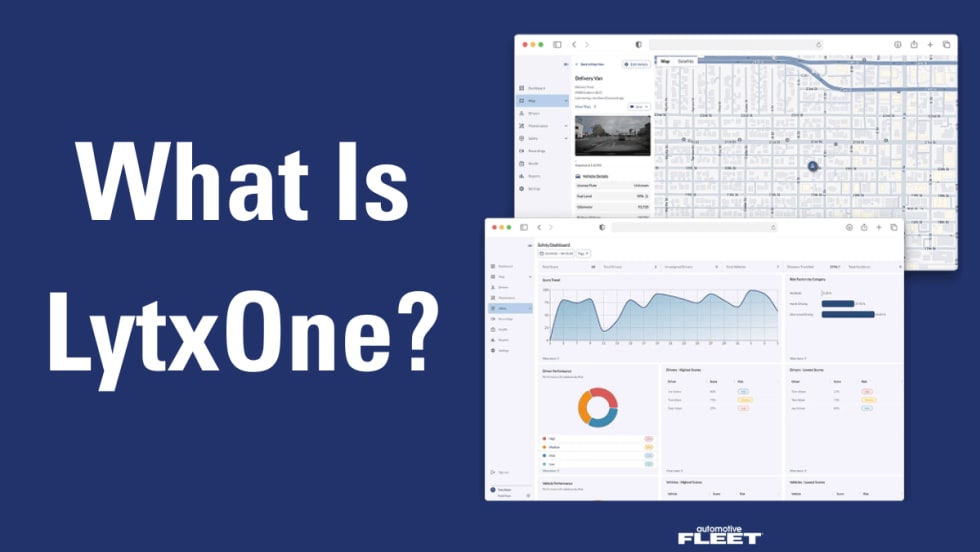
Lytx Announced LytxOne, a Unified Fleet Management Platform
Lytx recently announced the launch of LytxOne, a unified fleet management platform engineered to combine video safety, telematics, and maintenance.
Read More →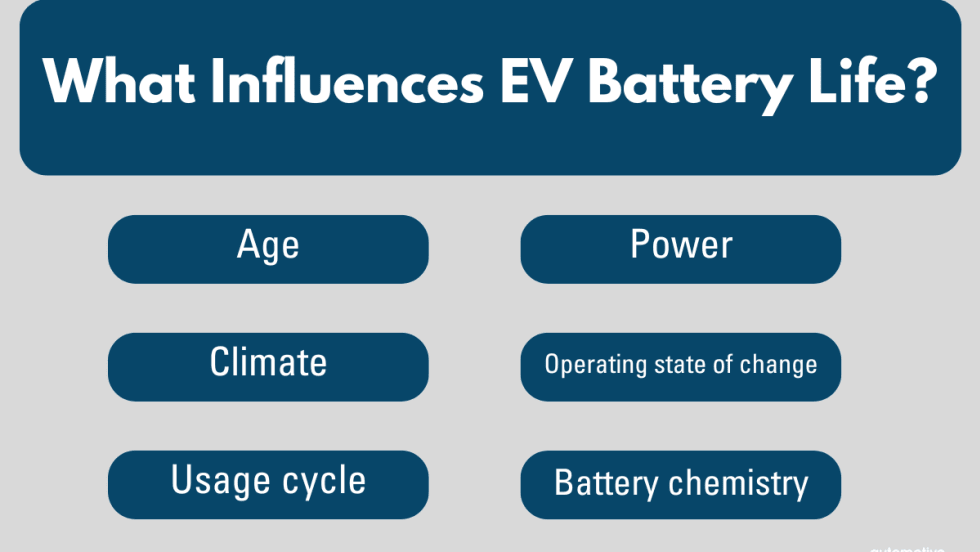
How Long Do EV Batteries Really Last?
A recent Geotab study reveals some of the factors affecting EV battery lifespan and performance.
Read More →