




Turning Fleet Telematics into Profit
When used properly as a positive addition to technology, fleet telematics implementation can be a tool for driving cost savings and increasing employee productivity, bringing in more money for everyone.
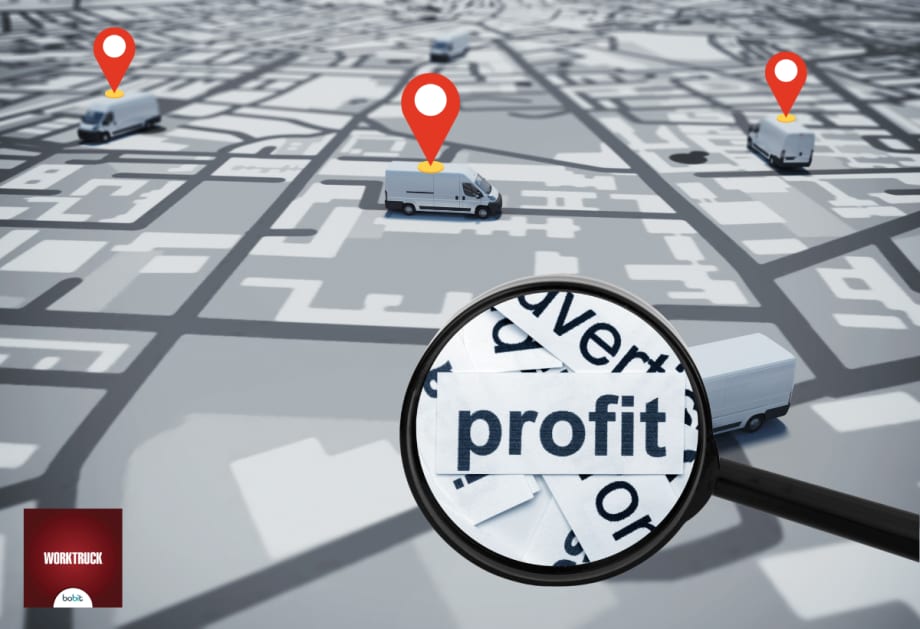
Turning telematics into a profit isn't a difficult task with the right tools and effort.
Photo: Work Truck
The latest fleet industry buzzword, telematics, is the convergence of telecommunications and information processing. The term telematics has evolved to include vehicle automation, such as emergency warning systems and wireless safety communications, and global positioning system (GPS) navigation.
Many fleets take advantage of the convenience features offered by most telematics carriers to improve employee accountability and productivity while decreasing fleet costs. To help achieve these goals, vehicle telematics systems provide an assortment of data, enabling fleet managers to set customized parameters, including, but not limited to, fuel transaction monitoring, stolen vehicle location, GPS navigation and routing capabilities, driver behavior and location monitoring, accident reporting and maintenance alerts, and organized timekeeping.
The experience of three diverse fleets illustrates the advantage and various use of telematics systems.
Telematics for Fleet Accountability
Industrial Fire & Safety Uses SageQuest Mobile Control Mickey Coughlin, VP, Industrial Fire & Safety, Inc., based in St. Petersburg, Fla., oversees a fleet of 26 Ford E-350 vans and 250 heavy-duty vehicles used for construction. In April 2005, she integrated SageQuest’s Mobile Control Solution into her fleet primarily to measure employee accountability. Coughlin wanted to monitor employee performance and driving behavior, measuring, for instance, job completion times, weekend accident rates, fuel transactions, and stolen-vehicle location.
With SageQuest’s Mobile Control Solution, Coughlin can determine which employees take advantage of employer-provided vehicle privileges.
“We maintain an honor system; however, some employees were abusing the system,” Coughlin said. “They would use their vehicles to pull boats, ruining the transmission and exposing us to insurance issues.”
The system calculates payroll and tracks exactly when employees clock in and out for work. Coughlin found that before system implementation, employees clocked in late and left a job early, while reporting a full day’s work. Now, she says, employees actually work a full day.
Coughlin can now also view real-time driver location, determine availability, and reroute the nearest driver to a job using navigation software. “With the system, I can set parameters and it alerts me when a driver violates those parameters; for instance, speed, idle time, and location boundaries,” Coughlin said. “It’s a good passive management tool that doesn’t require me to say a thing.”
Butterfield Lumber Routes with GPS Insight
Jerry Lundberg, operations manager, Butterfield Lumber, based in Salt Lake City, oversees a total fleet of 21 pickup trucks and 18-wheelers. He uses GPS Insight for tracking and routing capabilities.
“I use the system to improve efficiency. It delivers a 90-mile radius of real-time vehicle tracking,” Lundberg said.
Through GPS Insight, Lundberg can monitor driver speed and idle time. He has reduced idle times from 48 percent to 23 percent.
“Drivers were a little apprehensive about the system at first. I set up geofences to measure irregularities between time and distance that allows me to verify the driver's travel time from one location to another."
Gem Plumbing Equips Fleet with @Road
In addition to overseeing a fleet of 180 GM, Ford, and Mitsubishi vehicles, from box trucks to vans, Larry Gemma, president of Gem Plumbing, based in Lincoln, R.I., is responsible for operations, inventory, and the Gem University employee training program. Servicing most of New England, Gemma implemented @Road’s GeoManager program in 2000 to help control the increasing fuel and labor costs.
Gemma can customize the @Road GeoManager program to monitor vehicle location and use, receive maintenance alerts, more effectively route plumbers and technicians, wirelessly send invoices to his office, verify accident reporting, and take advantage of geofencing and timekeeping amenities.
“Telematics should be implemented as a positive addition to technology to drive cost savings, not a negative addition to technology used to reprimand an employee for taking a wrong turn or stopping at a store for 10 minutes,” Gemma said. “The amount of money I’ve saved is equal to double the cost of the program.”
Gemma can also integrate the system with GPS to obtain real-time traffic reports and reroute his drivers using a navigation system. He aims to reduce “windshield time” — the time an employee travels from one job to the next.
Before implementing @Road, fleet costs in terms of gross sales were 7.5 percent. Currently, fleet costs are down to 5.2 percent, says Gemma. In addition, on-time productivity increased from 52% to 61%.
However, despite increased productivity and decreased fleet costs, Gemma admits a stigma is associated with telematics use in fleets.
“Telematics is difficult for most owners to get over. You have to change the culture before implementing it. If in your company culture, people don’t want to be tracked, they get offended by the ‘big brother, theory and may end up leaving,” Gemma said. “We explained to employees our goal was to create efficiencies, which would increase company profits and allow us to pay our employees more money.”
More Telematics
Building Smarter Cybersecurity Policies for Fleet Operations
As fleet operations become increasingly connected, cybersecurity can no longer be treated as an IT issue alone. Building effective policies requires a proactive approach that protects vehicles, data, and operational systems while ensuring employees, vendors, and technology partners follow consistent security standards.
Read More →
Turning Connected Vehicle Data Into Decisions That Matter
Fleet leaders have more data than ever, but turning that data into clear, actionable decisions remains a challenge. This white paper shows how leading organizations are using connected vehicle data to improve safety, reduce costs, and optimize fleet performance. Learn how to turn insight into action across your fleet.
Read More →
Cameras, Safety and Insurance: From Reactive Claims to Real-time Prevention
Commercial auto remains one of the most challenging and costly lines of coverage for fleet operators and insurers alike. Learn more about how to effectively address these issues from Onur Aksan, Enterprise Business Development Executive, Geotab.
Read More →

The Predictive Pivot: How AI and Data Are Redefining Auto Logistics in 2026
AI is no longer a luxury but the baseline for profitability in 2026. Auto haulers that adopt these tools now will quickly outpace those that use manual workflows or take a wait-and-see approach.
Read More →
How 5-Second Telematics Data Is Changing Fleet Safety
More detailed telematics data is giving fleets a clearer picture of what happens before a crash. Here’s why 5-second data matters.
Read More →
Mobilisights Rebrands as Mobilisights Connect
Stellantis is rebranding and expanding its B2B offerings, now offering software solutions for fleets through Mobilisights Connect.
Read More →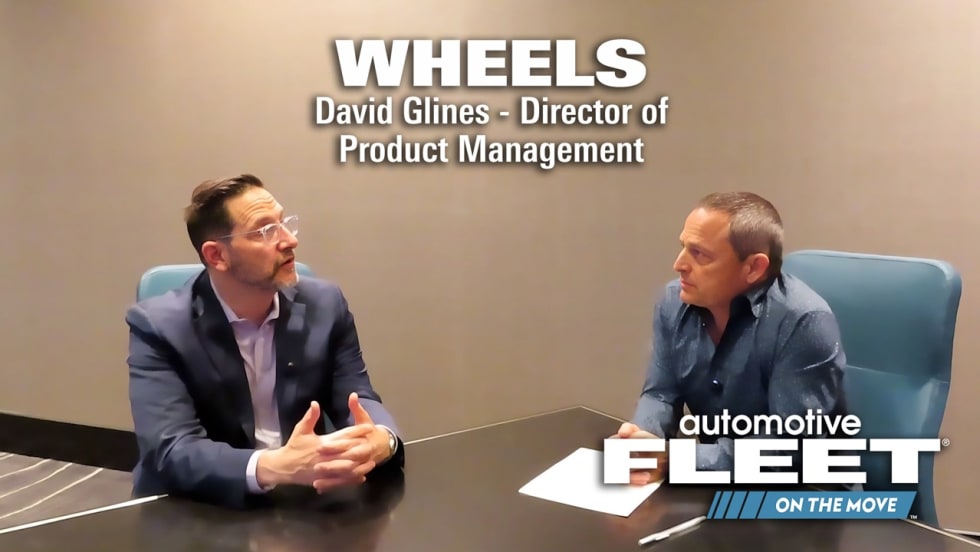
Can AI Really Make Fleet Drivers Safer?
Wheels’ David Glines explains how AI-powered coaching, connected vehicle data, and video telematics are helping fleets improve driver behavior.
Read More →
Ford Pro Telematics Introduces Asset Tracking
Ford Pro Telematics new software update allows fleet managers more control over their vehicle data and assets with customizable dashboards and data-driven search capabilities.
Read More →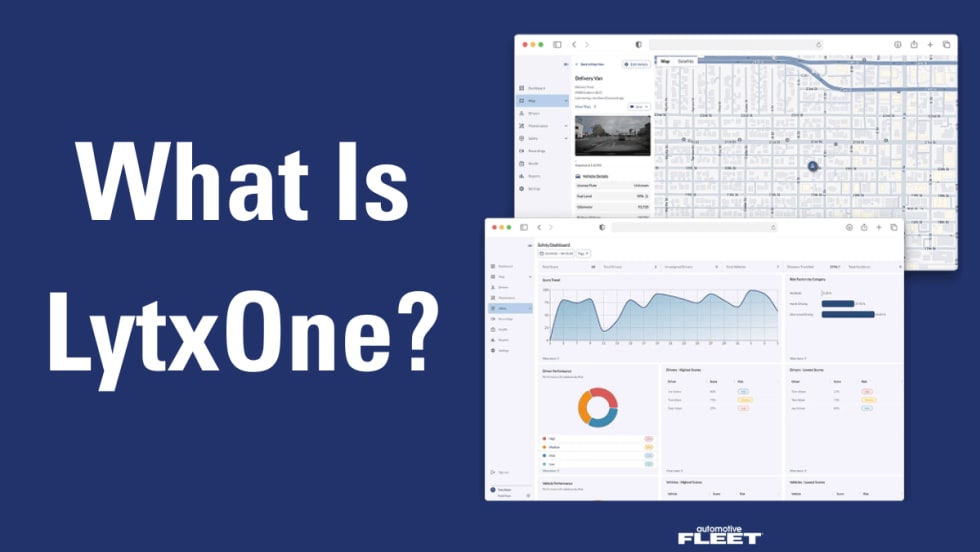
Lytx Announced LytxOne, a Unified Fleet Management Platform
Lytx recently announced the launch of LytxOne, a unified fleet management platform engineered to combine video safety, telematics, and maintenance.
Read More →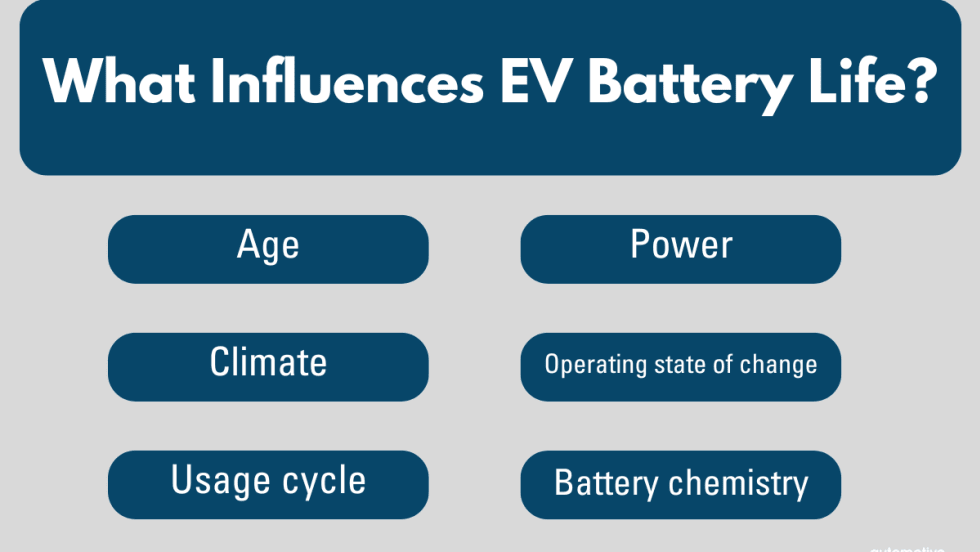
How Long Do EV Batteries Really Last?
A recent Geotab study reveals some of the factors affecting EV battery lifespan and performance.
Read More →