




Want More? Treading Lightly on Fuel: How to Optimize Your Fleet’s Fuel Use
Fuel Management RFP Musts
Fleet managers should treat the RFP as an introduction to their fleet and implement a checklist of must-haves so the basics don't fall through the cracks.
by Editor
November 1, 2007
Review your fleet's mission, geography, composition, as well as administration and management needs before selecting a fuel program.
Photo: Juan Fernandez/Unsplash
2 min to read
Fleet managers use a fleet fuel card program to make it simple for drivers to fuel up, collect, and mine key expense data, and provide expense data to management. However, not all fuel card programs are the same, and not all fleets are the same. Review your fleet's mission, geography, composition, as well as administration and management needs before selecting a fuel program.
There are three primary types of fuel programs:
Branded: All major oil companies offer fleet fuel cards for use at their own fuel locations.
Universal: This fuel program is offered by an independent company or fleet service provider.
Cardkey Programs: Cardkey providers operate their own gated fuel sites and purchase and sell their own fuel. Sometimes it's the basics that fall through the cracks when writing a request for proposal (RFP). Vendors aren't mind readers, so treat your RFP as an introduction to your fleet.
Be sure to check off this list of must-haves to avoid problems during the RFP process:
Contact information: Don't assume vendors know where to send their responses. Clearly identify a point person for vendors to contact with questions and/or responses. Include the person's phone number, address, and e-mail address when possible. Consider including a back-up contact in the event the primary person is unavailable.
Billing: Make certain the vendor provides a billing system suited to your company. Most companies require at least a centralized bill for the fleet department. Others request that an information billing be sent to field locations or division offices. Include information such as location codes, vehicle number, and driver name.
Security: Remember that a fuel card is a credit card. It is possible drivers will purchase items other than fuel, or fuel for a nonfleet vehicle. A fuel card program must minimize such use to protect the fleet from unauthorized expense. This security issue can be solved by requiring a PIN number for each card or placing dollar limits on individual transactions.
Fleet Size: The size of your fleet can affect what kind of program or services a potential vendor will offer, so be sure to specify the number of vehicles you operate.
Fleet Mix: Likewise, the types of vehicles in your fleet can factor into a vendor's response to your RFP. A fleet that primarily operates diesel trucks has different needs than a fleet comprised entirely of sedans.
Annual Fueling Volume: Giving vendors an estimate of how much fuel your fleet uses each year helps them provide their best proposal for your fleet.
Current Program: Let vendors know what you're currently doing to meet your fuel needs and why you're looking to change. This will alert vendors to specific needs or problem areas.
Originally posted on Work Truck Online
Subscribe to Our Newsletter
More Fuel
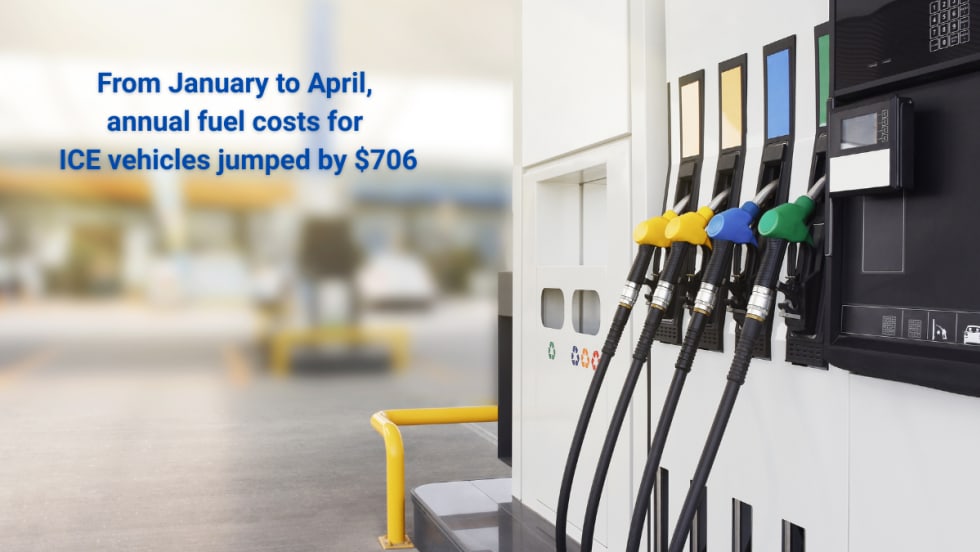
Study: How 2026's Gas Price Hikes Affect Different Vehicle Types
New data from iSeeCars reveals how rising fuel costs have affected different vehicle segments as gasoline prices climbed nearly 46% over the past four months.
Read More →
Sponsored•May 29, 2026
Are You Tracking Your Fleet's True Total Cost of Ownership?
Bobit Business Media surveyed 190 fleet professionals and found that while most fleets are tracking costs, fragmented systems and data gaps are keeping true TCO visibility out of reach. With rising pressure to control spend in an increasingly volatile environment, the gap between what fleets think they know and what the data actually shows is wider than you might expect. See how your peers are managing costs today and where the industry still has room to improve.
Read More →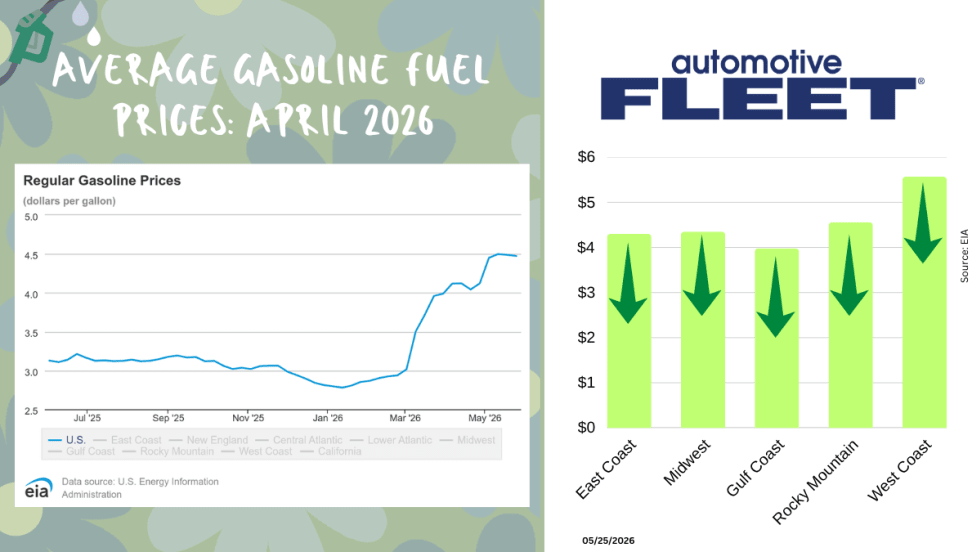
May Fuel Update: All Regions Experience Declines
Gas prices are finally easing in much of the country, but experts warn global tensions could quickly reverse the trend as the national average remains well above last month’s levels.
Read More →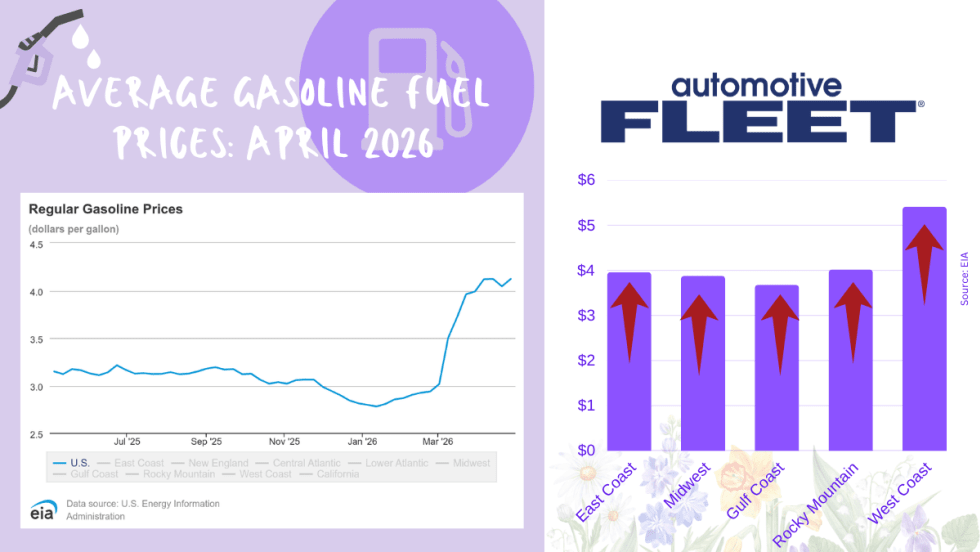
April Fuel Update: Prices Climb Above $4 as Spring Surge Accelerates
National average jumps to $4.04 per gallon, up sharply from last year, with West Coast prices topping $5 and further increases expected amid rising oil tensions.
Read More →
Tips from Fleet Managers on Saving Fuel Costs
Fleet leaders share practical strategies to reduce fuel spend through smarter policy, routing, and driver guidance.
Read More →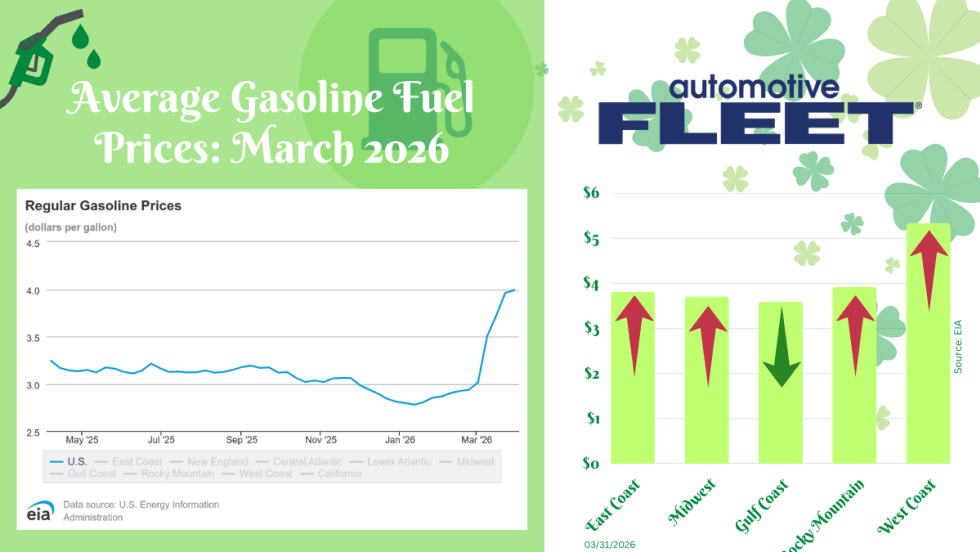
March Fuel Update: Prices Settle With a $4 Average
Fuel prices significantly slowed this week, but a $4 national average is still expected.
Read More →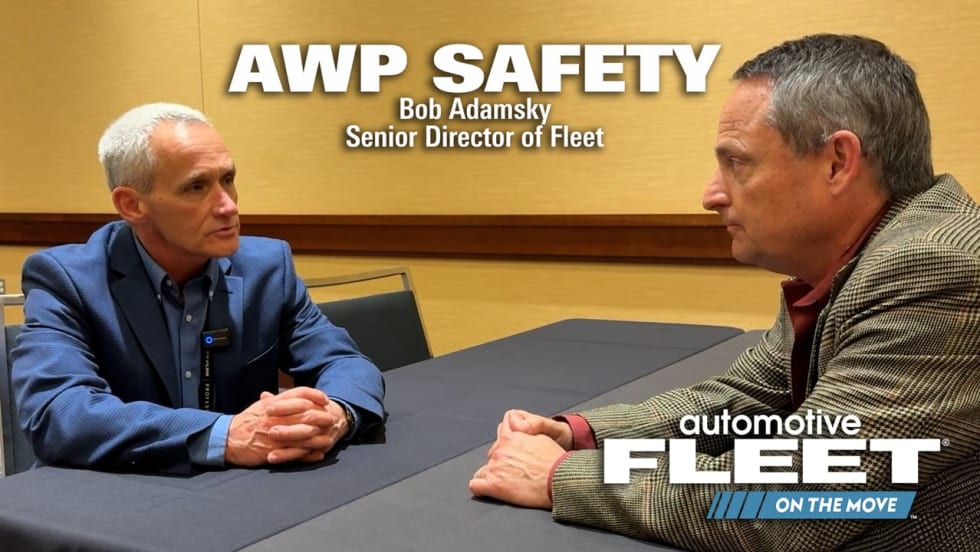
Bob Adamsky on Fuel Volatility: “Don’t Panic — Have a Plan”
With oil prices rising again, AWP Safety’s fleet manager shares how to respond to rising fuel costs and how the right strategy can turn fuel spikes into cost-saving opportunities.
Read More →
Oil Market Turbulence Is Complicating Fleet Cost Planning
Rapid swings in crude oil prices driven by the conflict in the Middle East could create longer-term cost pressures for fleets, affecting fuel prices, supply chains, and vehicle strategy, says NTEA’s Andrew Wrobel.
Read More →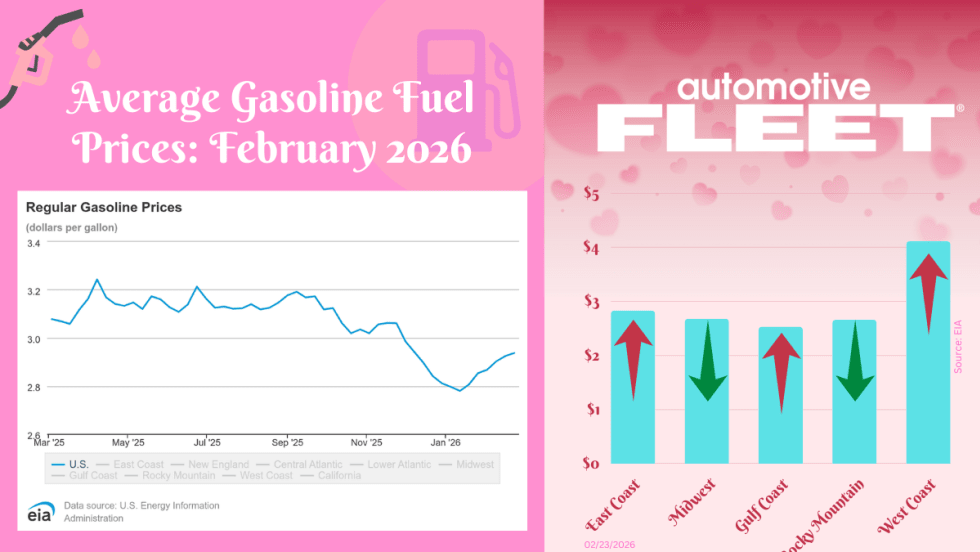
February Fuel Update: Prices Inch Higher for Third Week in a Row
The final February fuel update reveals prices continuing to inch higher for the third week in a row.
Read More →
The 2026 Fuel Economy Guide: Updated Cost and Efficiency Benchmarks for Fleets
Fleet managers can use the DOE’s 2026 Fuel Economy Guide to benchmark MPG across powertrain types using side-by-side vehicle ratings and compare new model-year options.
Read More →