




Managing the Uncontrollable
The country’s best managed fleets are exemplified by the Top 300 commercial fleets. Operating a fleet of 1,000 vehicles or more is an expensive proposition and, with most companies, it represents the second-highest corporate expenditure after payroll.

The country’s best managed fleets are exemplified by the Top 300 commercial fleets. Operating a fleet of 1,000 vehicles or more is an expensive proposition and, with most companies, it represents the second-highest corporate expenditure after payroll.
However, these are tough times to operate a fleet. Costs are increasing. Fuel prices remain elevated, resale values have softened, acquisition costs are up, incentive dollars appear to be diminishing, and there has been an uptick in accident-related expenditures. Throughout corporate America, fleet managers are under relentless pressure from senior management to reduce expenses, make fleet operations more efficient, and maximize driver productivity at the lowest possible cost.
However, managers of well-run fleets will tell you it is getting harder and harder to find significant cost reductions. The easy fixes have been done long ago. Fleet budgets remain flat, while costs go up. “We are in a flat budget environment for our fifth consecutive year. Managing my fleet is a challenge,” said one highly respected fleet manager.
Many outside factors, over which fleet managers have little control, conspire to thwart fleet cost reduction initiatives. This current decade is shaping up to be one of the most tumultuous in the history of fleet management.
The past eight years have revealed (at least to me) the precariousness of our control over fleet expenses. Following 9-11, there was an overnight meltdown in residual values, which took the industry three years to recover. Then Hurricane Katrina struck, causing fuel prices to skyrocket to $3 a gallon, literally overnight, where they have pretty much remained ever since.
Now, the country is in the midst of a subprime credit meltdown and a related near-collapse of the new-home construction market, both of which are impacting fleet operations. The bread-and-butter customers of out-of-service fleet vehicles are generally buyers with C and D credit, namely subprime buyers who buy from independent dealers. These dealers are having difficulty getting subprime customers financed.
In addition, uncertainty about the economy is causing many of these difficult-to-finance buyers to defer replacement vehicle purchases as long as possible. The net result is a softening in resale values for late-model, high-mileage fleet vehicles. Likewise, the dramatic and ongoing slowdown in new-home construction has decreased buyer demand for used pickups and full-size vans. The housing slowdown is hurting contractors, who generally buy these vehicles. How this will play out is anyone’s guess; however, nothing on the horizon indicates this will be a short-term phenomenon.
It’s not all doom and gloom. During this decade, the quality of fleet vehicles has improved dramatically, fuel efficiency has increased, and OEMs have extended powertrain warranties – all of which have led to decreased operating costs. However, these savings have not been enough to offset the impact of the increased cost of fuel. As a result, fleet operating costs increased 3 percent in calendar-year 2007 over the prior 12 months.
When the history of fleet management is written, this will be recorded not only as a very challenging decade, but one that validated the value of professional in-house fleet managers. These uncontrollable costs of doing business require the expertise of a professional fleet manager to mitigate their impact on the corporation.
In this tumultuous economic environment, fleet managers can easily save a company millions of dollars by implementing the right policies and selecting the right vehicles and suppliers. A professional fleet manager strives to reduce not only hard costs, but also soft costs. A fleet manager who reduces annual fleet expenses by $100,000 generates the equivalent of $1 million in sales, if a company operates at a 10-percent net profit margin. These fleet managers proactively seek to maximize the productivity and revenue-generating capacity of each company driver.
As such, the fleet managers of the Top 300 fleets are valuable members of the company’s management team, managing a multi-million dollar asset. They link fleet operations to the corporation’s overall mission. The fleet is a critical revenue-generation component of a company’s business plan. Successful fleet managers implement innovative initiatives, which are increasingly technology-based, to drive cost out of their fleet operations and establish the metrics to monitor performance. “Fleet Management 101” isn’t enough in today’s environment.
Exemplary fleet managers rise above the level of simply managing day-to-day work. They are proactive and anticipate the changes in their corporate environment. There is a strategic aspect of fleet management. Vehicle acquisition, replacement planning, funding alternatives, corporate green initiatives, safety programs, and sourcing alliances with manufacturers and fleet suppliers are strategic corporate decisions.
When uncontrollable market forces drive up the cost of fleet operations, it takes the expertise of a professional fleet manager to mitigate their financial impact.
It takes a professional to manage the uncontrollable.
Let me know what you think.
More Blog Posts

Fleets Want Trust Restored with Suppliers
During this period of ongoing supply constraints, the trust that fleet managers had with OEMs, upfitters, and dealers has been strained. Fleet managers say they have had too many experiences over the past three years coping with erroneous information, adjusting to multiple price increases, and feeling betrayed by inadequate transparency from suppliers.
Read More →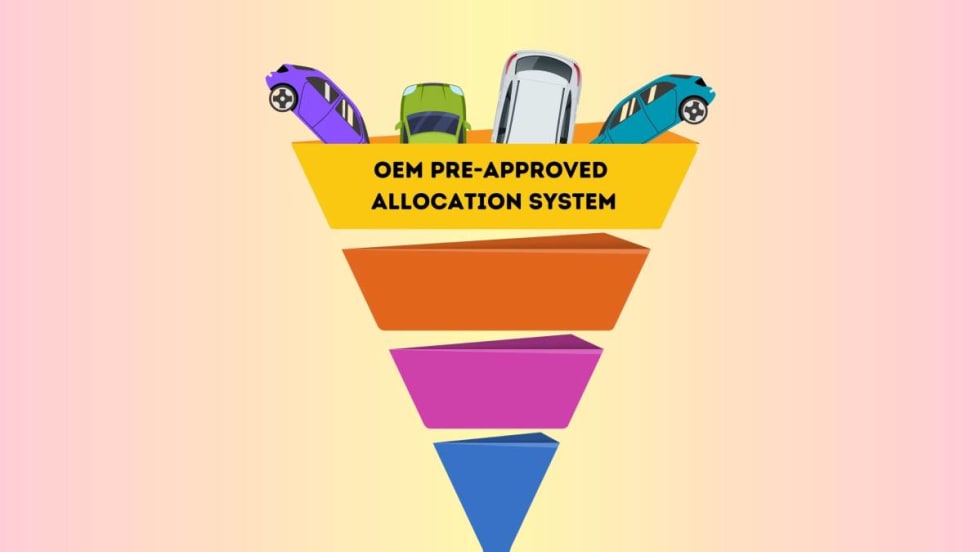
Scheduled Replacement Cycles Are Becoming a Distant Memory
The ongoing difficulty in sourcing replacement vehicles is forcing companies to extend the service lives of vehicles that are unable to be replaced, which, inevitably, increases unscheduled maintenance expenses.
Read More →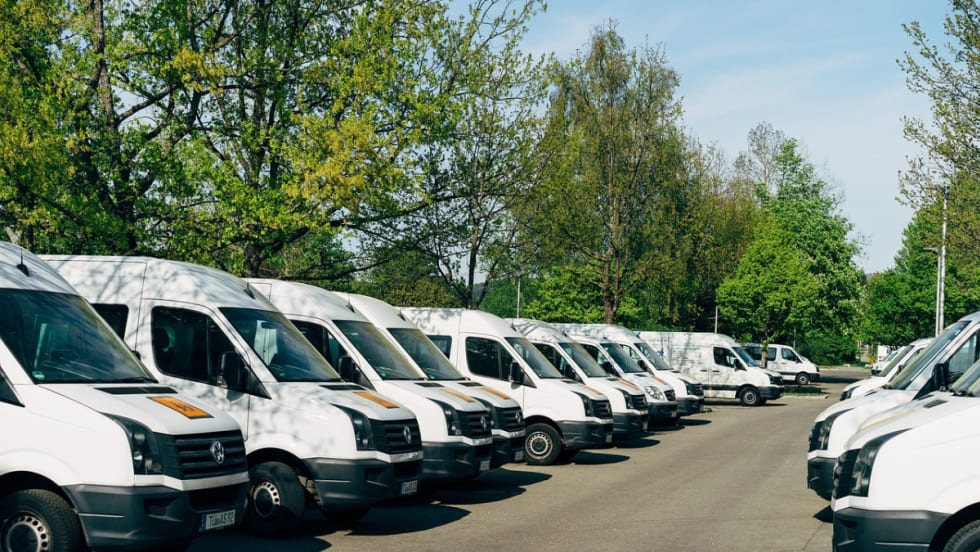
Fleet Simplification is the Antidote to Asset Variability
Fleet simplification identifies asset functions to uncover commonality among the equipment and assets. Simplification increases operational efficiency as end-users become accustomed to the controls, displays, and operation of less diverse units.
Read More →
The Dangers of Static Fleet Policies
A fleet policy is a living document, flexible enough to adapt to evolving business priorities, developing industry trends, and changing industry best practices and standards.
Read More →
Short-Term vs. Long-Term Cost Reductions
Corporate procurement staff are often driven by short-term, immediate cost reductions. However, a longer perspective to soft cost savings is critical because fixating on short-term results will hurt a company in the long run.
Read More →
Uptick in Unscheduled Maintenance Increasing Vehicle Downtime
Fleet data analysis can identify recurring downtime issues. It’s important to determine the root causes of downtime so procedures can be developed to minimize such problems.
Read More →
Eliminate Needless Curb Weight to Maximize ICE & EV Efficiencies
Vehicle weight relates directly to fuel economy. In today’s era of electrification, there is also a direct correlation between vehicle weight and battery range.
Read More →
Tech Dependence Risks Dumbing Down Fleet Manager Expertise
The line between creative thinking and problem solving and doing what the data indicates is thin. To lead in fleet management, you need to balance understanding the fundamentals and embracing what smart technology offers.
Read More →
Leverage the Synergy of Safe Driving to Achieve Sustainability and Cost Goals
Safe driving, emission reductions, and cost containment can all be achieved at the same time.
Read More →
The Playbook for Fleet Manager Success
There are many paths to success — most of them involve being flexible, open-minded, and willing to learn.
Read More →