




Reimbursement is Unfair to Employees
If employees are your greatest asset, why treat them unfairly with a driver reimbursement program? I have yet to hear of a company that reimburses at a rate that fully compensates drivers for the actual cost of operating a vehicle, especially in this era of escalating fuel prices.
If employees are your greatest asset, why treat them unfairly with a driver reimbursement program? I have yet to hear of a company that reimburses at a rate that fully compensates drivers for the actual cost of operating a vehicle, especially in this era of escalating fuel prices. In addition, the cost of gas, insurance, license/registration fees, and vehicle maintenance vary substantially by region. If the reimbursement doesn’t cover actual expenses, a driver, in essence, ends up with a pay reduction. He or she must make up the difference between the reimbursement amount and the actual cost of operating the vehicle. What’s fair about this?
In the final analysis, it is more expensive for employees to use their personal vehicles for business than for a business to offer company vehicles. As a volume buyer, a company acquires vehicles at a wholesale cost, while employees pay retail. Secondly, a company can finance a vehicle at a lower cost than an employee. A company also has lower maintenance costs by participating in a national account program, while an employee pays retail.
Many employees lease their personal vehicles. However, it is difficult to afford a retail lease when the average fleet driver drives 24,000 miles per year. Most retail leases are structured for drivers who drive 12,000-15,000 miles per year. High-mileage drivers are usually upside down at end-of-lease with a balloon payment for excess mileage. Even if a driver purchases a vehicle, after two or three years, the resale value is so low because of high mileage, they are forced to keep driving the vehicle or take a significant loss selling it or trading it in.
Some employees can’t afford a new vehicle. Often, salespeople are recruited straight out of college. At this age, employees have little or no credit history. They often have no cash for down payments. Many fleet managers, who also manage a reimbursement program, report that younger employees often need the company to co-sign a loan or lease for their personal vehicle. Sometimes employees run short of cash and have to ask the company for a loan to repair their personal vehicle to continue working.
Negative Effect on Morale
Reimbursement negatively affects employee morale since some drivers feel they are underpaid. If an allowance is provided to a low-mileage driver, the employee enjoys additional compensation. For high-mileage drivers, a car allowance may not be sufficient to cover the employee’s cost, which demoralizes the employee because he or she feels they are subsidizing the company.
Different vehicle requirements, geography, and regional cost of living require a flexible reimbursement policy to cover these diversities or inequities will exist. Because of built-in inequities in a reimbursement program, some drivers may feel they are being forced to subsidize the company’s operating costs. As a consequence, reimbursement opens the door for padding business miles to increase allowances. Also, some employees may attempt to get reimbursed for unauthorized expenses. Who monitors this?
Another concern is reimbursement can be considered taxable income by the federal government and some states, if not handled correctly. As such, car allowances are taxable to the employee and the company is subject to its portion of the FICA tax. On average, the employee’s combined state and federal tax burden increases, which amounts to a direct reduction in salary. In addition, reimbursed employees may be subject to a possible IRS audit since mileage and vehicle expense deductions are auditable.
Even though they receive a car allowance, many employees also expect a supplemental reimbursement for fuel. If a company does reimburse for fuel, it cannot determine if fuel is purchased for personal use or business use. In addition, employees will constantly agitate for higher reimbursement as fuel prices and cost of living expense increase (and rightly so).
Typically, employees view a car allowance or reimbursement as additional personal income. Will the reimbursement provided by a company be used for a vehicle (as intended) or will the monies be used to repay a college loan or make a mortgage payment? Insurance is another unfair aspect of driver reimbursement. If driving a personal vehicle, an employee must buy “business insurance,” which costs twice as much as personal auto insurance. The reason for this is if the employee is involved in an accident and does not have business insurance, the personal insurance carrier can deny the claim and incurred loss because it was not advised the personal vehicle is used for business. In addition, a reimbursed driver may not carry adequate personal liability insurance, which puts the company at increased risk. If personal vehicles are used, a minimum amount of liability coverage should be required. However, someone internally must track this, as well as ensure insurance policies are renewed each year.
A Fair Deal
A company-provided vehicle helps create high employee morale. Drivers don't have to worry about securing insurance or paying for unexpected major repairs and routine maintenance. Employees perceive the company values them more if it entrusts them with a company car. It’s a fair deal.
Let me know what you think.
More Blog Posts
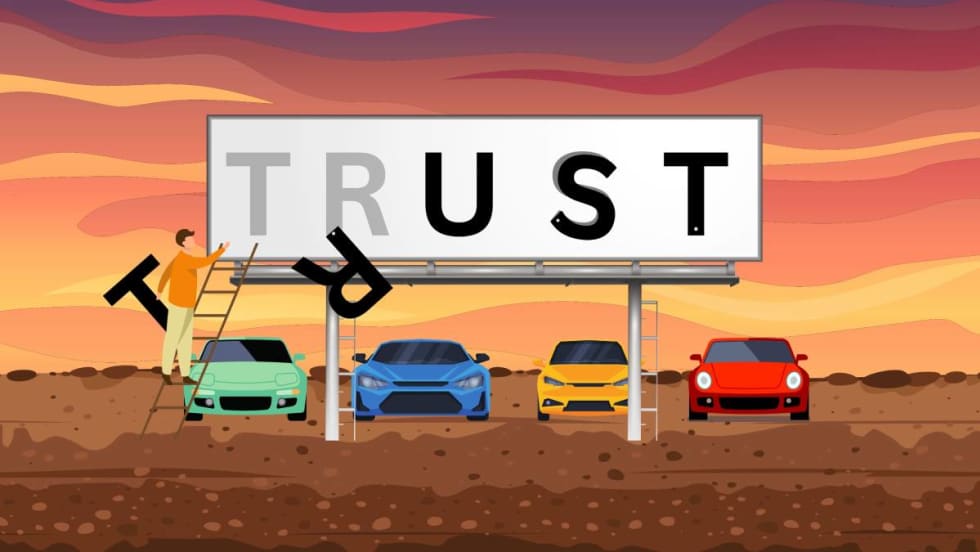
Fleets Want Trust Restored with Suppliers
During this period of ongoing supply constraints, the trust that fleet managers had with OEMs, upfitters, and dealers has been strained. Fleet managers say they have had too many experiences over the past three years coping with erroneous information, adjusting to multiple price increases, and feeling betrayed by inadequate transparency from suppliers.
Read More →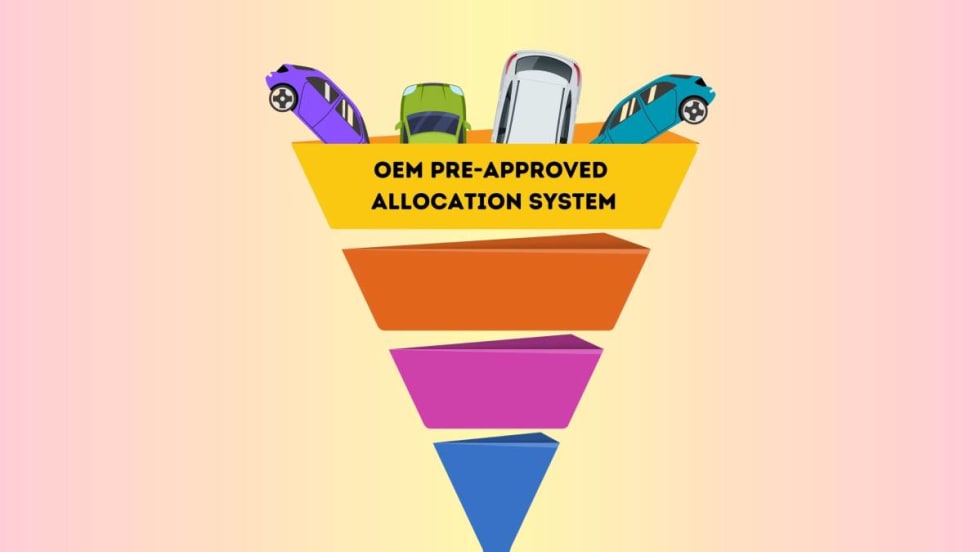
Scheduled Replacement Cycles Are Becoming a Distant Memory
The ongoing difficulty in sourcing replacement vehicles is forcing companies to extend the service lives of vehicles that are unable to be replaced, which, inevitably, increases unscheduled maintenance expenses.
Read More →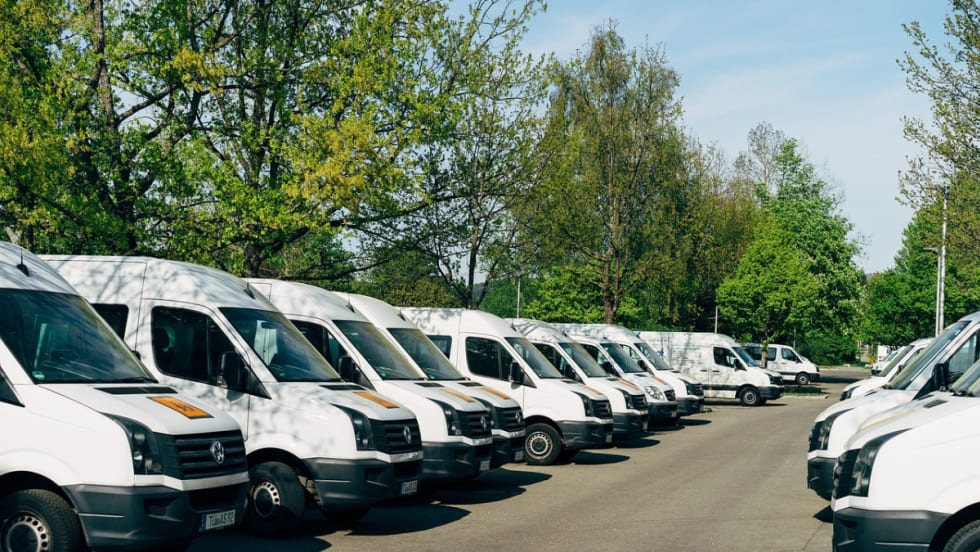
Fleet Simplification is the Antidote to Asset Variability
Fleet simplification identifies asset functions to uncover commonality among the equipment and assets. Simplification increases operational efficiency as end-users become accustomed to the controls, displays, and operation of less diverse units.
Read More →
The Dangers of Static Fleet Policies
A fleet policy is a living document, flexible enough to adapt to evolving business priorities, developing industry trends, and changing industry best practices and standards.
Read More →
Short-Term vs. Long-Term Cost Reductions
Corporate procurement staff are often driven by short-term, immediate cost reductions. However, a longer perspective to soft cost savings is critical because fixating on short-term results will hurt a company in the long run.
Read More →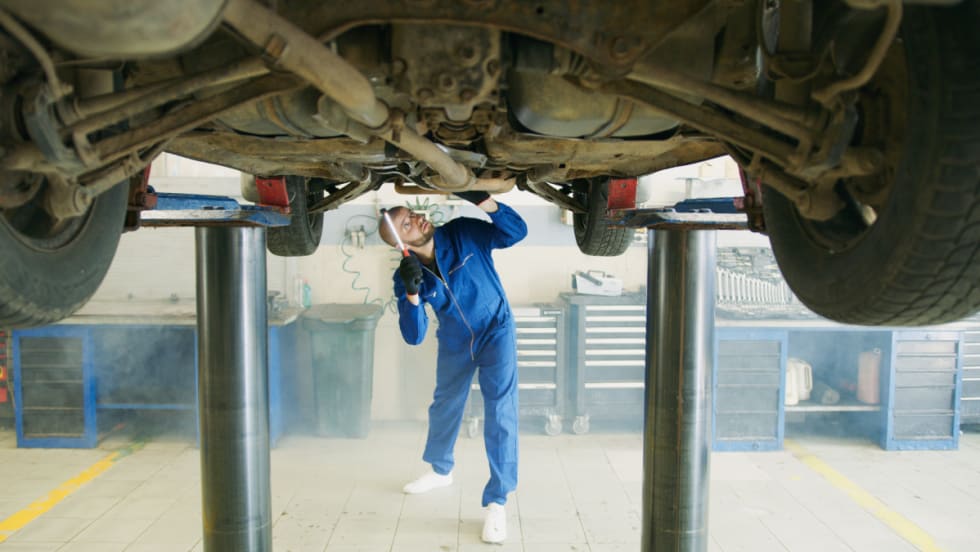
Uptick in Unscheduled Maintenance Increasing Vehicle Downtime
Fleet data analysis can identify recurring downtime issues. It’s important to determine the root causes of downtime so procedures can be developed to minimize such problems.
Read More →
Eliminate Needless Curb Weight to Maximize ICE & EV Efficiencies
Vehicle weight relates directly to fuel economy. In today’s era of electrification, there is also a direct correlation between vehicle weight and battery range.
Read More →
Tech Dependence Risks Dumbing Down Fleet Manager Expertise
The line between creative thinking and problem solving and doing what the data indicates is thin. To lead in fleet management, you need to balance understanding the fundamentals and embracing what smart technology offers.
Read More →
Leverage the Synergy of Safe Driving to Achieve Sustainability and Cost Goals
Safe driving, emission reductions, and cost containment can all be achieved at the same time.
Read More →
The Playbook for Fleet Manager Success
There are many paths to success — most of them involve being flexible, open-minded, and willing to learn.
Read More →