




Toyota Sequioa All-New in 2008
A ‘rugged and advanced’ design theme, updated chassis, and improved cargo space give the 2008 Toyota Sequoia the ability to work hard.

Newly redesigned for 2008, the Toyota Sequoia is a full-size SUV with utility in mind. A new body, interior, chassis, and newly available 5.7L V-8 engine mated to a 6-speed transmission demonstrate Toyota’s focus on increased efficiency, performance, and driver/passenger comfort.
New Engine Available
The 2008 Sequoia is available in three grades – SR5, Limited, and Platinum.
Standard on the SR5 and Limited grades are a 237 hp 4.7L V-8 iForce engine and automatic electronically controlled five-speed transmission. Also available is the new DOHC 5.7L V-8 engine, producing 381 hp and 401 lb.-ft. of torque. Either engine can tow up to 10,000 lbs.
The engine is ULEV-II compliant and uses four valves per cylinder and dual variable valve timing with intelligence (VVT-i).
Chassis, Suspension, and Tires
The 2008 Sequoia was given an all-new platform that features independent suspension at both the front and rear of the vehicle, providing improved handling and stability. Toyota engineers focused on improved ride comfort and quietness, as well as enhanced straight-line stability to lessen fatigue on drivers and passengers.
Larger tires and wheels were adopted to complete the chassis upgrade; standard are 275/65R18 tires and 18-inch aluminum wheels. To improve braking performance, the Sequoia is equipped with an anti-lock braking system (ABS) with electronic brake-force distribution (EBD). Front brakes are class-exclusive opposed-type caliper.
Improved Design and Styling Working from a design theme described by engineers as “rugged and advanced," the Sequoia was given a larger body size and a tough new look.
The vehicle’s overall width and height were increased, its wheelbase was lengthened, and its front and rear track widened, providing more interior room and cargo space.
Larger headlamps were adopted, as were large side-view mirrors. The reardoor opening angle was increased to 77 degrees for better ease of loading/unloading cargo.
Safety Features Enhanced
All 2008-model Sequoias come standard with Toyota’s STAR safety system, a combination of five safety features: vehicle stability control, traction control, anti-lock brakes, electronic brake-force distribution, and brake assist.
Front seat-mounted side airbags, standard three-row side curtain airbags, and roll-sensing current airbags covering all three rows are all standard. Three-point seatbelts are available at all seating positions.
More Operations
How to Manage Conflict for Your Fleet Operations
Conflict management is becoming a core leadership skill. Here are five strategies fleet leaders should know.
Read More →
Turning Connected Vehicle Data Into Decisions That Matter
Fleet leaders have more data than ever, but turning that data into clear, actionable decisions remains a challenge. This white paper shows how leading organizations are using connected vehicle data to improve safety, reduce costs, and optimize fleet performance. Learn how to turn insight into action across your fleet.
Read More →
Cameras, Safety and Insurance: From Reactive Claims to Real-time Prevention
Commercial auto remains one of the most challenging and costly lines of coverage for fleet operators and insurers alike. Learn more about how to effectively address these issues from Onur Aksan, Enterprise Business Development Executive, Geotab.
Read More →

Are You Tracking Your Fleet's True Total Cost of Ownership?
Bobit Business Media surveyed 190 fleet professionals and found that while most fleets are tracking costs, fragmented systems and data gaps are keeping true TCO visibility out of reach. With rising pressure to control spend in an increasingly volatile environment, the gap between what fleets think they know and what the data actually shows is wider than you might expect. See how your peers are managing costs today and where the industry still has room to improve.
Read More →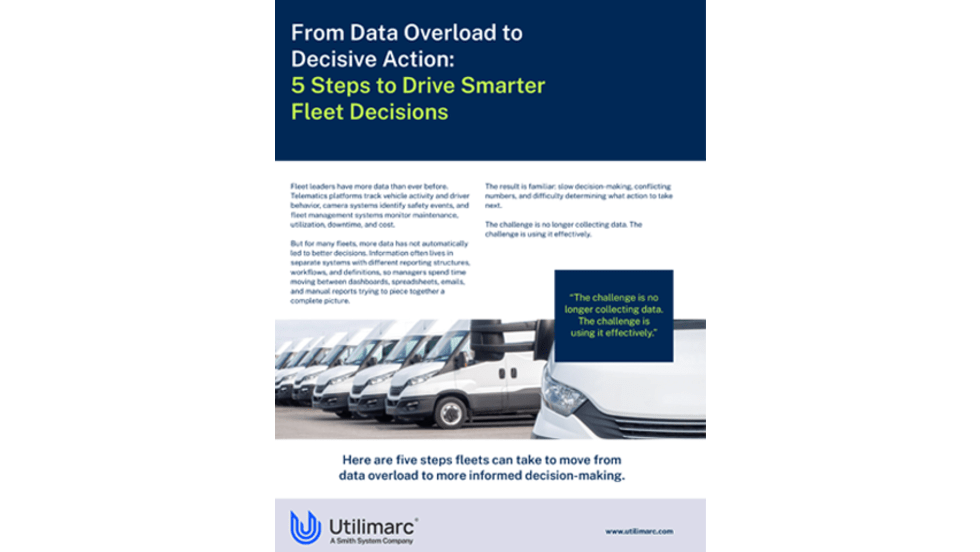
Turn Fleet Data Into Smarter Decisions
Fleet leaders have access to more operational data than ever, but disconnected systems and unclear metrics often slow decision-making instead of improving it. This article outlines five practical steps fleets can take to transform fragmented data into actionable insights that improve planning, safety, utilization, and long-term performance.
Read More →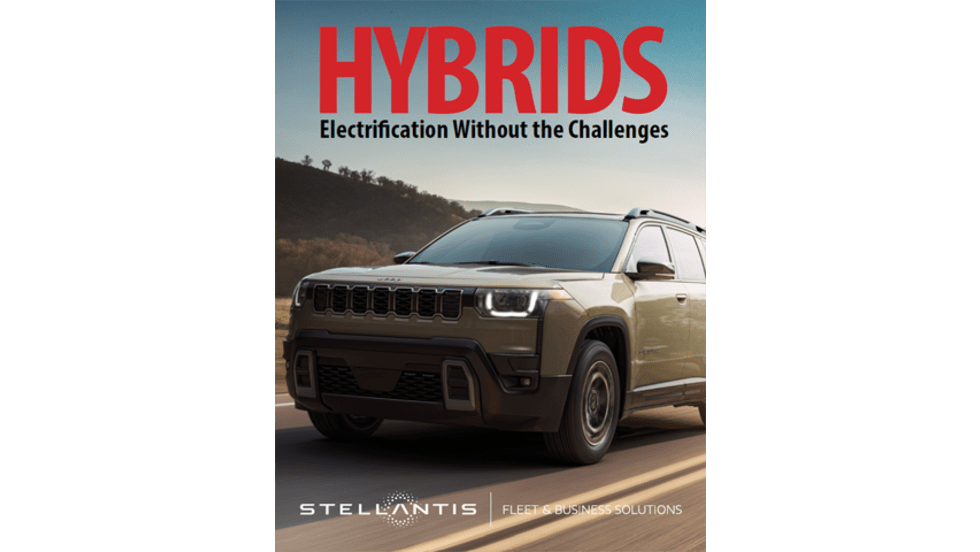
Hybrids: Electrification Without the Challenges
For fleet managers, fuel is one of the biggest line items in the budget — and it's one hybrids can shrink without changing how your people work. Download the eBook to see the numbers, understand the technology, and get a step-by-step guide to making the switch.
Read More →
How NOV Uses Telematics to Improve Fleet Safety Across 160 Locations
James Victory of NOV discusses how the company manages fleet safety, maintenance, and telematics across more than 150 locations supporting oilfield operations throughout the U.S.
Read More →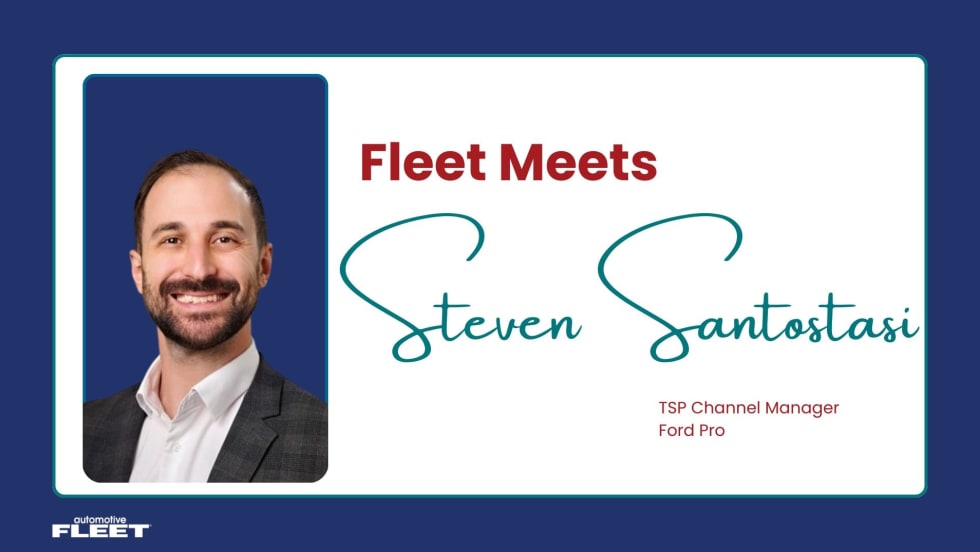
Fleet Meets: Steven Santostasi
This edition of the Fleet Meets series features Steven Santostasi, the current TSP channel manager for Ford Pro.
Read More →
Why Fleet Managers Are Replacing Departmental Vehicles with Shared Motor Pools
Departmentally assigned vehicles often create hidden costs through underutilization, poor visibility, and increased administrative burden. This white paper explores how shared motor pool strategies help fleets reduce costs, improve accountability, and optimize vehicle utilization.
Read More →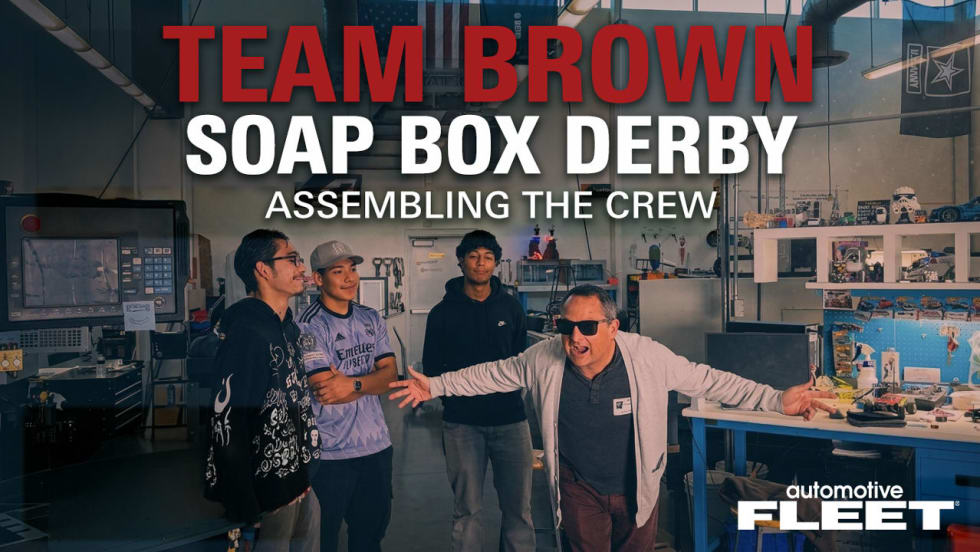
Soap Box Derby Challenge: Assembling the Crew
Meet Gabriel, Matthew, and Angel — the team helping bring this soap box derby build to life.
Read More →